S-Non-Queer Romance: SUMMERTIME (1955)
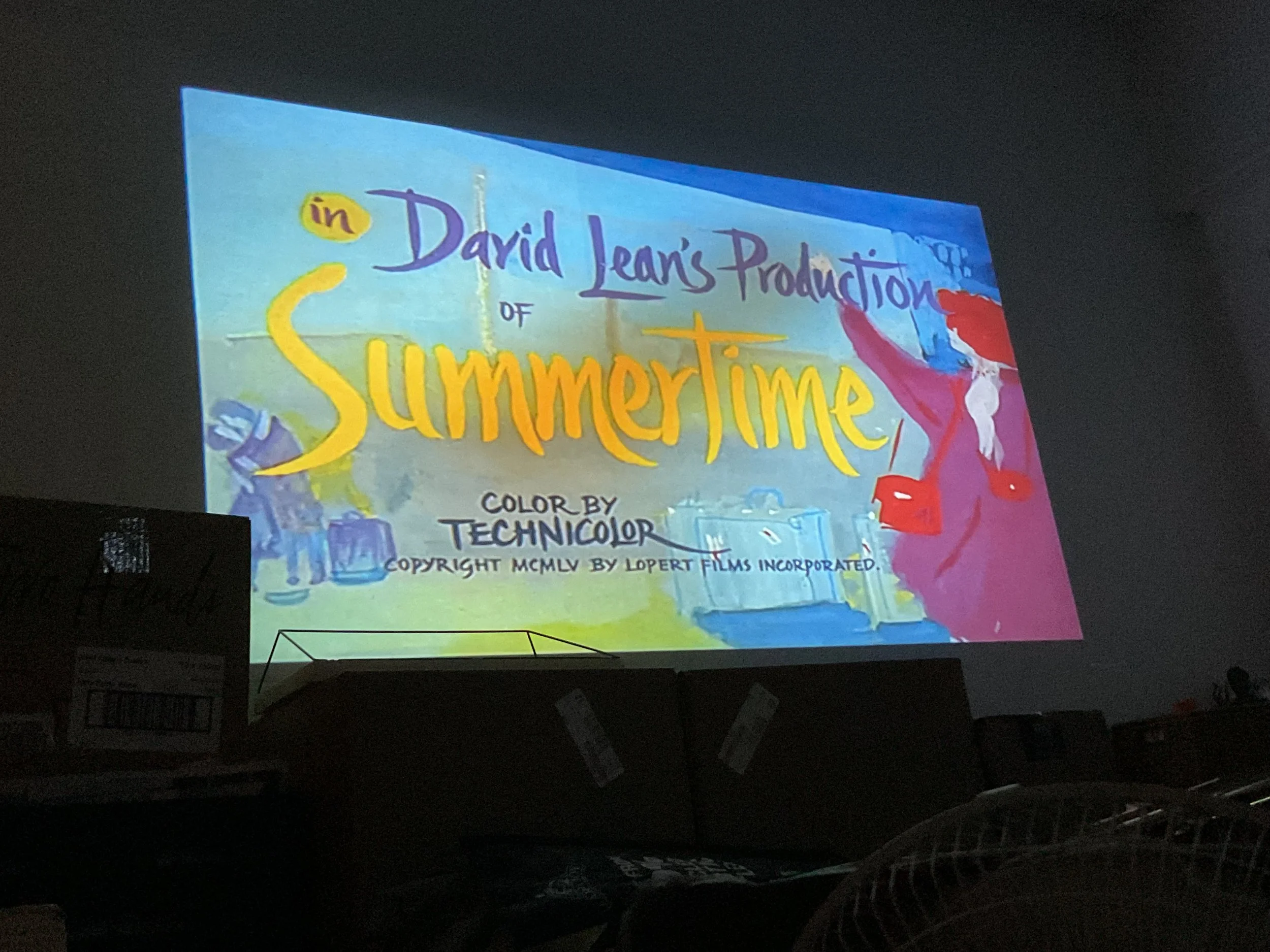
This time again, for the straight romance, I opted for an old film about an American woman in Europe. After IN THE FRENCH STYLE (1963) showing Jean Seberg in Paris, the non-queer romance that starts with S was SUMMERTIME (1955) by David Lean, showing Katharine Hepburn in Venice. (Oh is that how you spell her name?) And both times, I didn't bother reading the logline before watching the film, so it was purely a coincidence!
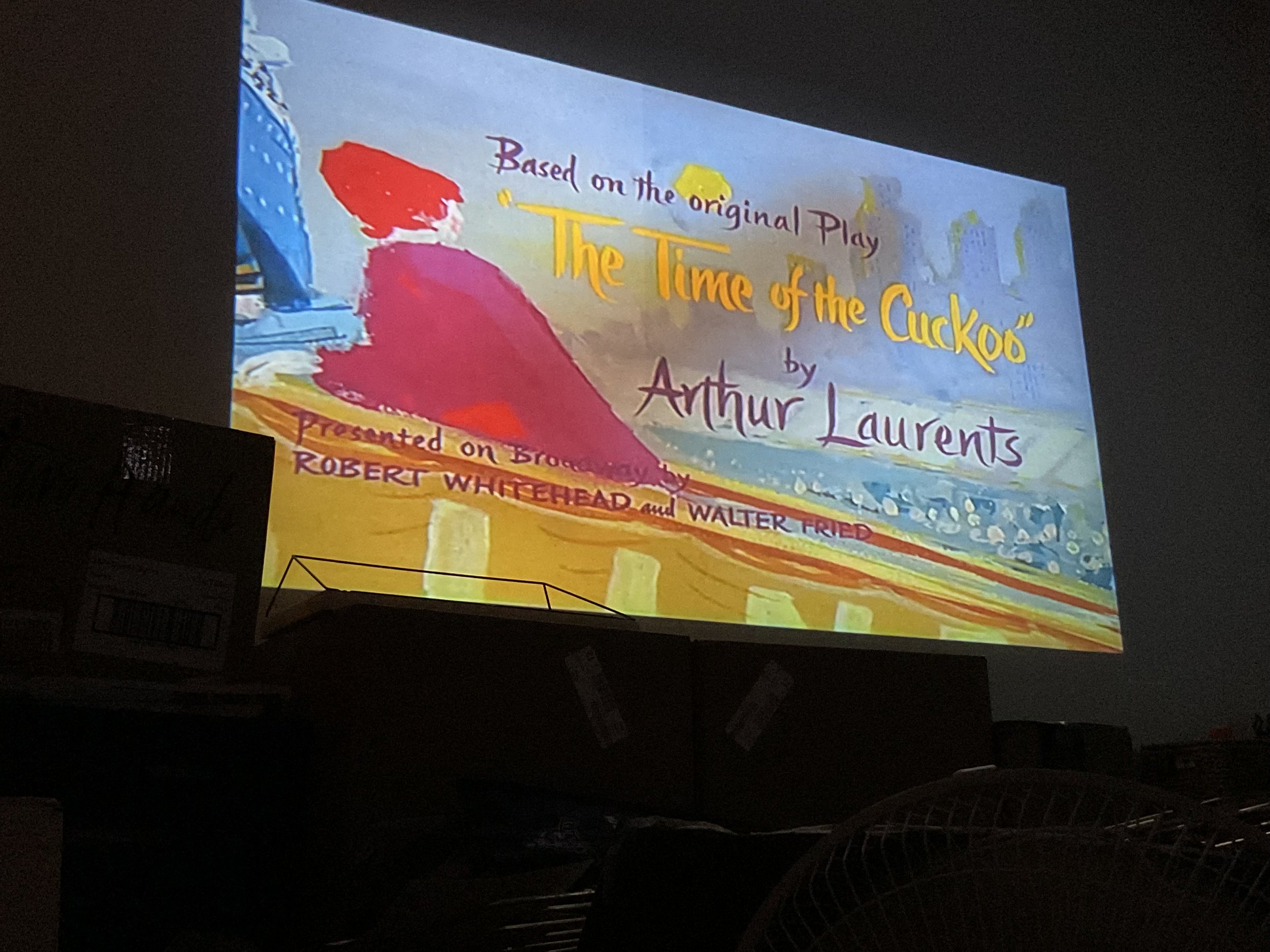
Apparently SUMMERTIME is the movie adaptation of the play THE TIME OF THE CUCKOO by Arthur Laurents.
The incipit
Here's the incipit: Jane Hudson (Hepburn) is sitting on a train across from a white Englishman (it's 1955—need I specify his race?) who's reading the newspaper.
JANE: Hey, excuse me.
ENGLISHMAN (André Morell): I beg your pardon?
JANE (handing him something): Hold on to this for a second, would you please?
ENGLISHMAN: Yes, certainly.
JANE: Lift a little closer, you don't mind… Up a little higher… Thanks. Now, still… This is Venice we coming into, lsn't it?
ENGLISHMAN: Yes, we will be there about two minutes. This is the lagoon.
JANE: Oh, boy! Gotta get a shot of this. Each one of these I used already. Haven't even gotten there yet. Oh, thanks a lot.
ENGLISHMAN: Is this your first visit to Venice?
JANE: Yes. Is it yours?
ENGLISHMAN: No. I've been here several times.
JANE: Several times, you have.
ENGLISHMAN: Yes. I hope you will like it.
JANE: Like it? I got to. I come such a long way. I saved for a long time for this trip... You think I maybe won't like it.
ENGLISHMAN: I'm sure you will. But not everybody likes it in the same way. Some people find it too quiet, some people find it too noisy. And it is very noisy. But the majority find it very beautiful.
JANE: Well, I guess I'll settle with the majority.
The story with pictures (and spoilers)
The logline introduces Jane Hudson as a "spinster." She's unmarried, financially independent thanks to her job as a "fancy secretary," I suppose, and has always been "the independent type".
She carries around a movie camera (which I imagine cost a small fortune back then) and uses it constantly. She's like a Gen Y person ahead of her time: the generation that measures a successful life by the accumulation of experiences.
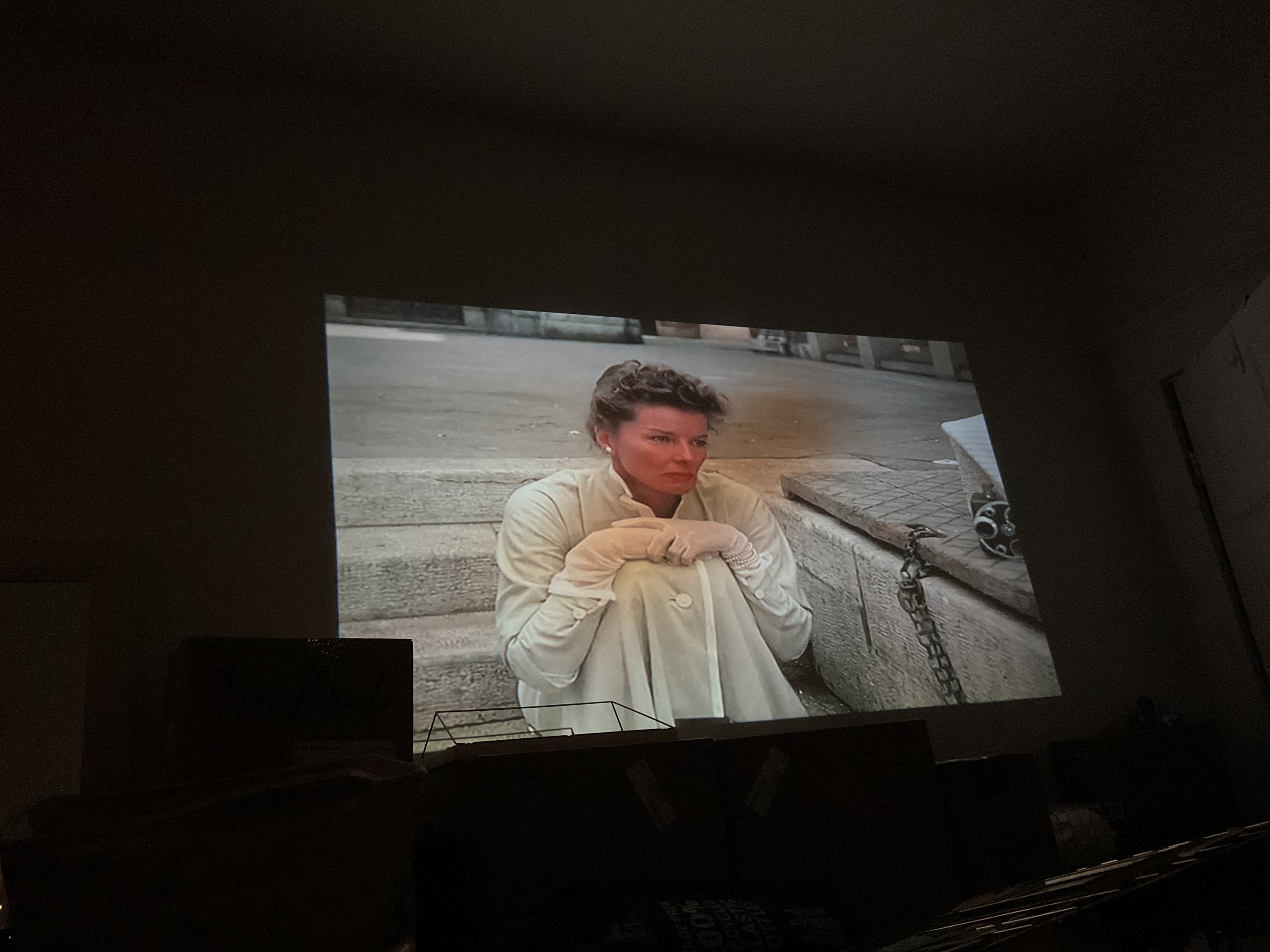
She settles into a large, luxurious house called Pensioni Fiorini, owned by a widow, Giovanna (Virginia Simeon), who decided to rent out its rooms after her husband passed away. Her excitement about being in Venice starts fading as soon as she realizes that every single person she lays her eyes on is either holding or being held by a significant other: she begins to feel lonely. That heavy loneliness that catches you from behind when you’re starting to fathom the unspeakable beauty of a moment abroad — a feeling that was so beautifully portrayed by Margo Martindale in PARIS, JE T’AIME (2006).
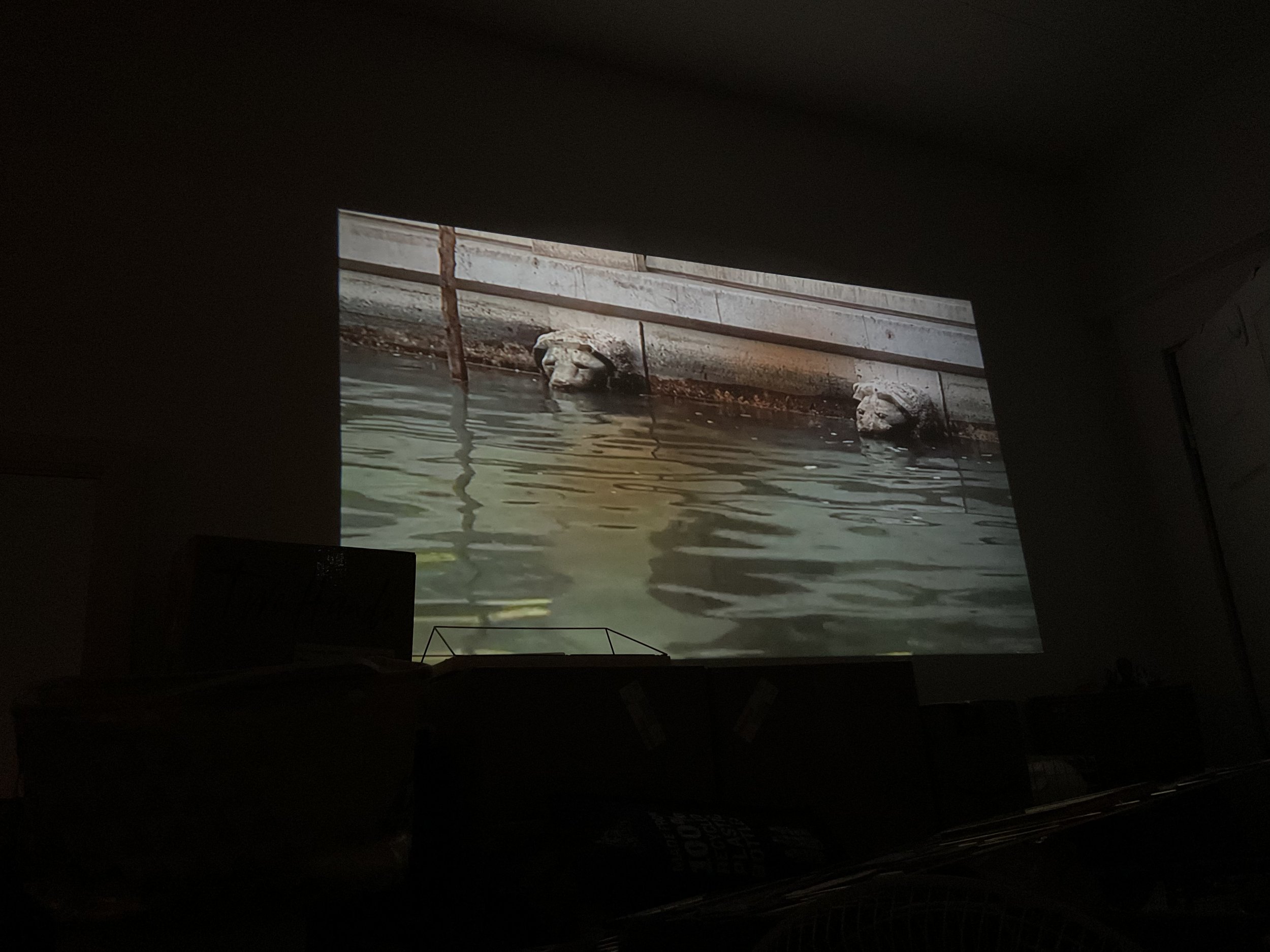
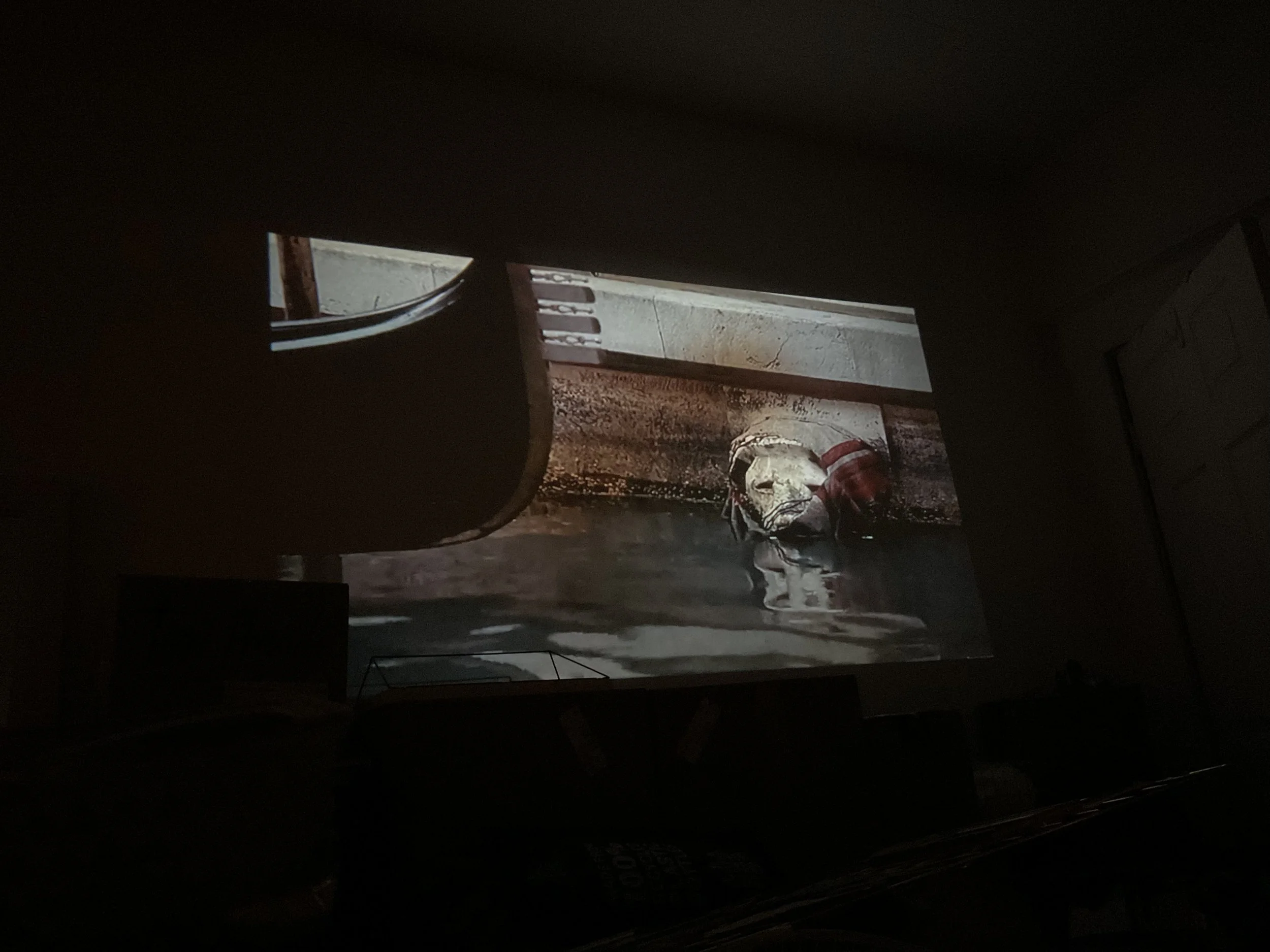
And suddenly, Charles Aznavour’s song “Que c’est triste Venise” comes to mind, but it only came out 9 years later. Here’s an nglish transcreation:
“How sad Venice is, in the time of dying loves,
How sad Venice is, when love is gone.
We still search for words, but boredom carries them away;
We would so like to cry, but we can no longer.
How sad Venice is, when the barcarolles
Come only to underscore the hollow silences,
And when the heart aches at the sight of gondolas
Sheltering the happiness of lovers’ embraces.“
At first, she is reluctant to the company of a barefoot little street urchin, Mauro (Gaetano Autiero) and won’t even greets him back, as if she expects him to steal from her or something. A bit like Bruno in BICYCLE THIEVES (1948) who has a family and a home that we just never see, Mauro belongs to the tradition of the street urchin, a recurring figure in postwar European cinema: the child of the streets who becomes an unlikely guide for the adult protagonist, offering a knowledge of the city and a form of freedom that the outsider lacks.
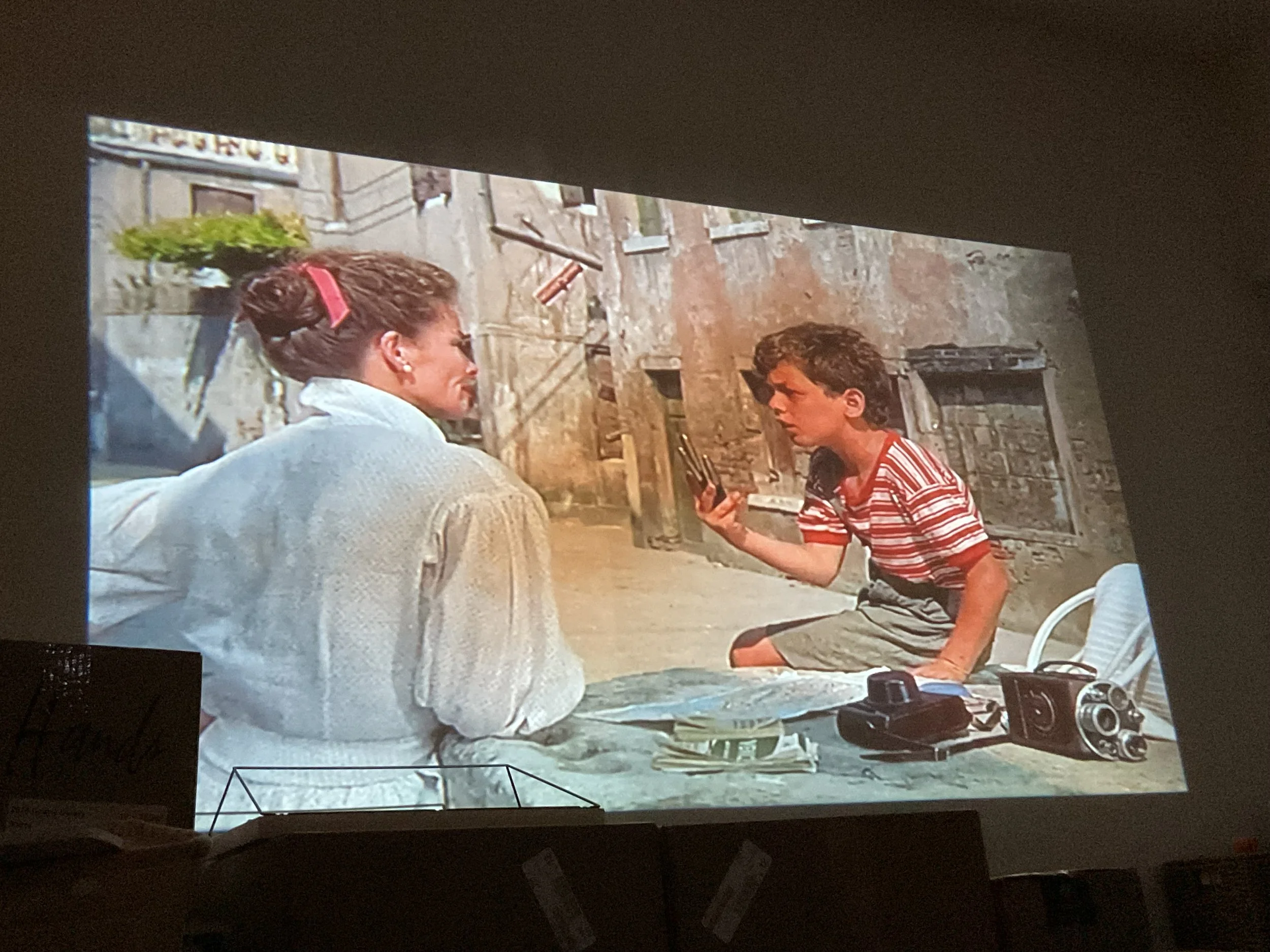
Jane can’t seem to get rid of Mauro who follows her around and is always trying to sell her something (the quality of which is never up to her standards). He also manages to get something from her in exhange of the peace and quiet he’s depriving her of. For instance, he convinced her to give him a cigarette!
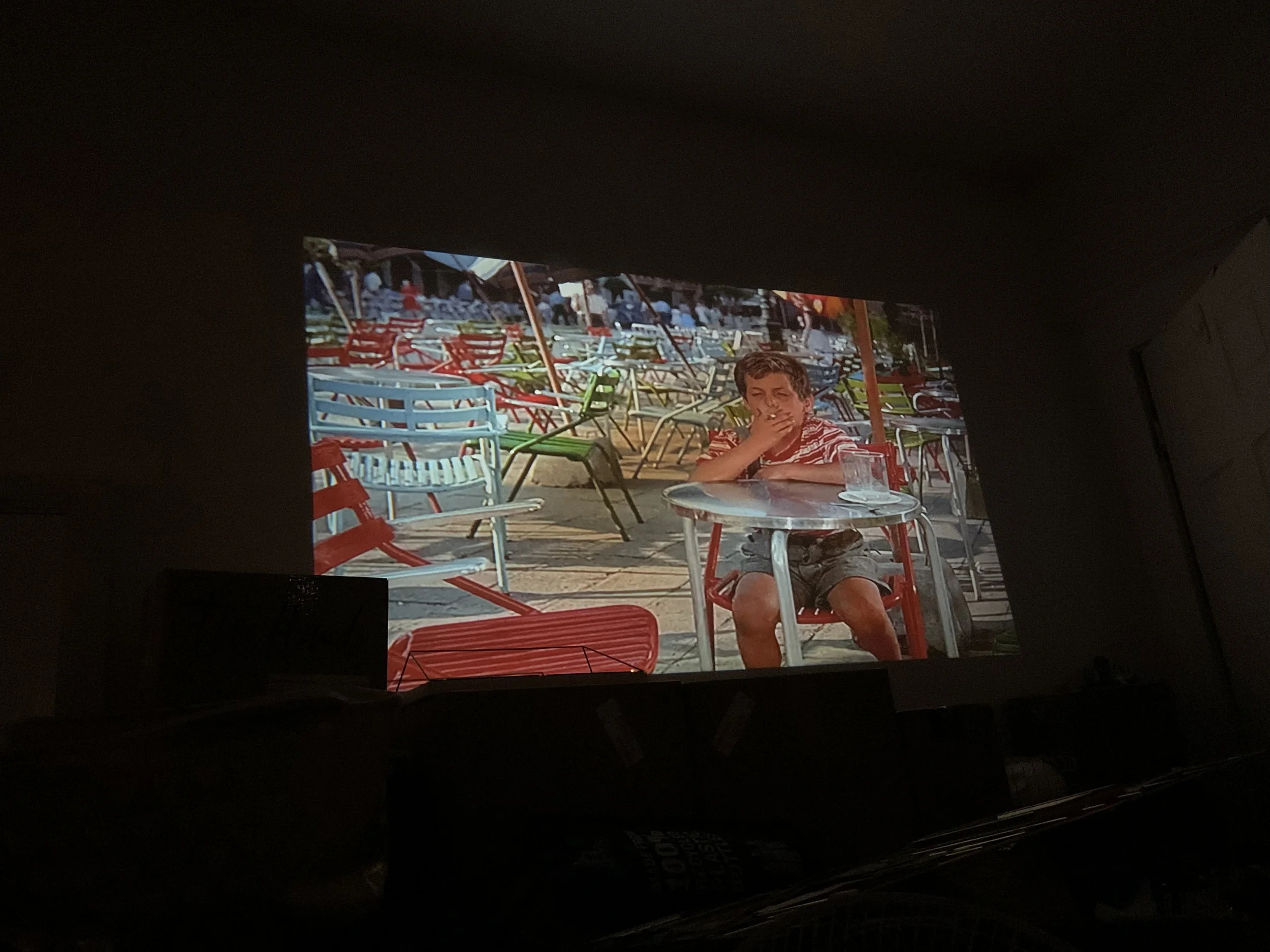
Gaetano Autiero didn’t grow up to be an actor…
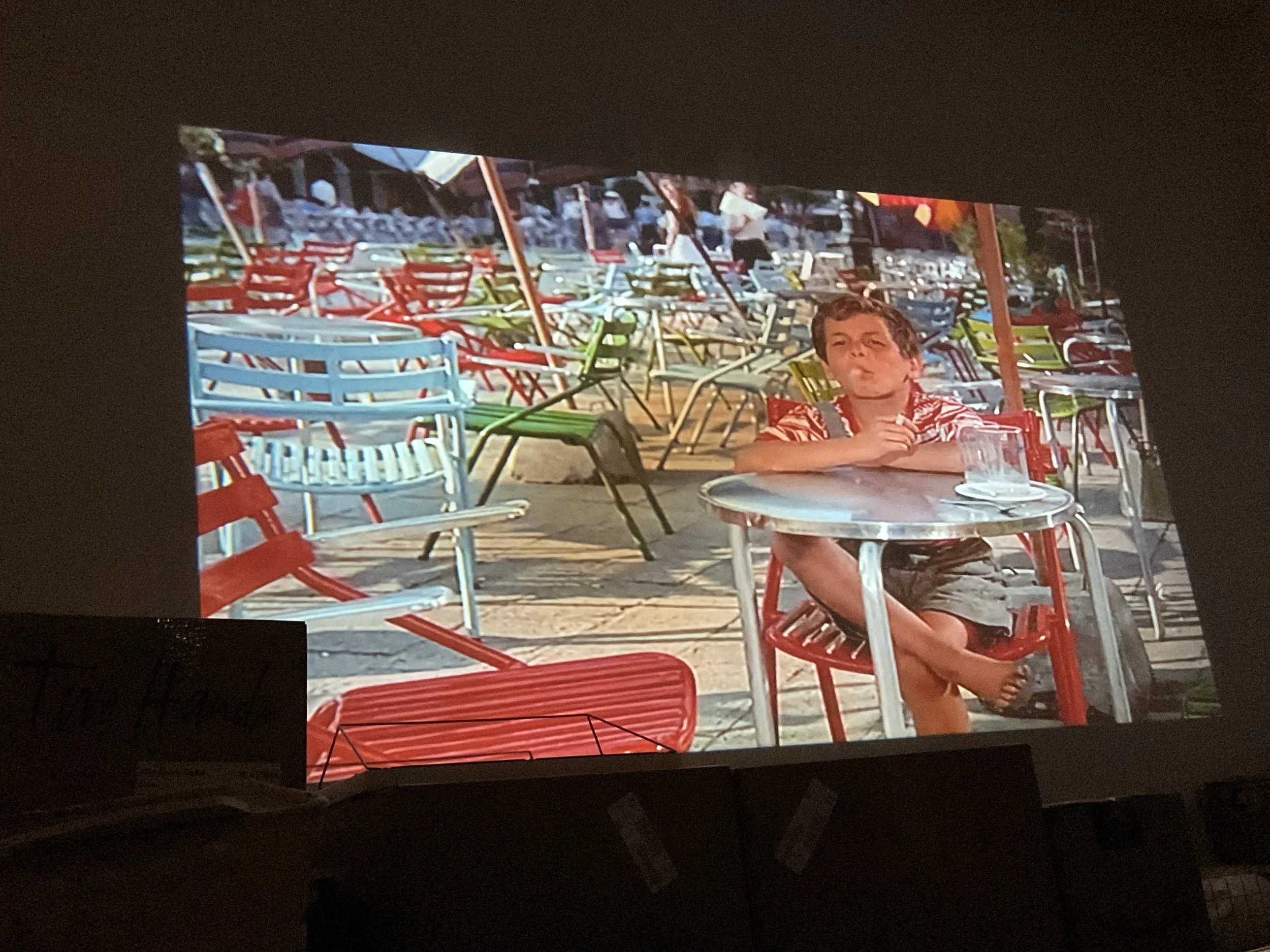
I have good reasons to wonder if he got to grow up at all
One day, while she’s enjoying this fleeting moment called life on the terrace of a café in Piazza San Marco, she can feel the stare of the man sitting behind her.
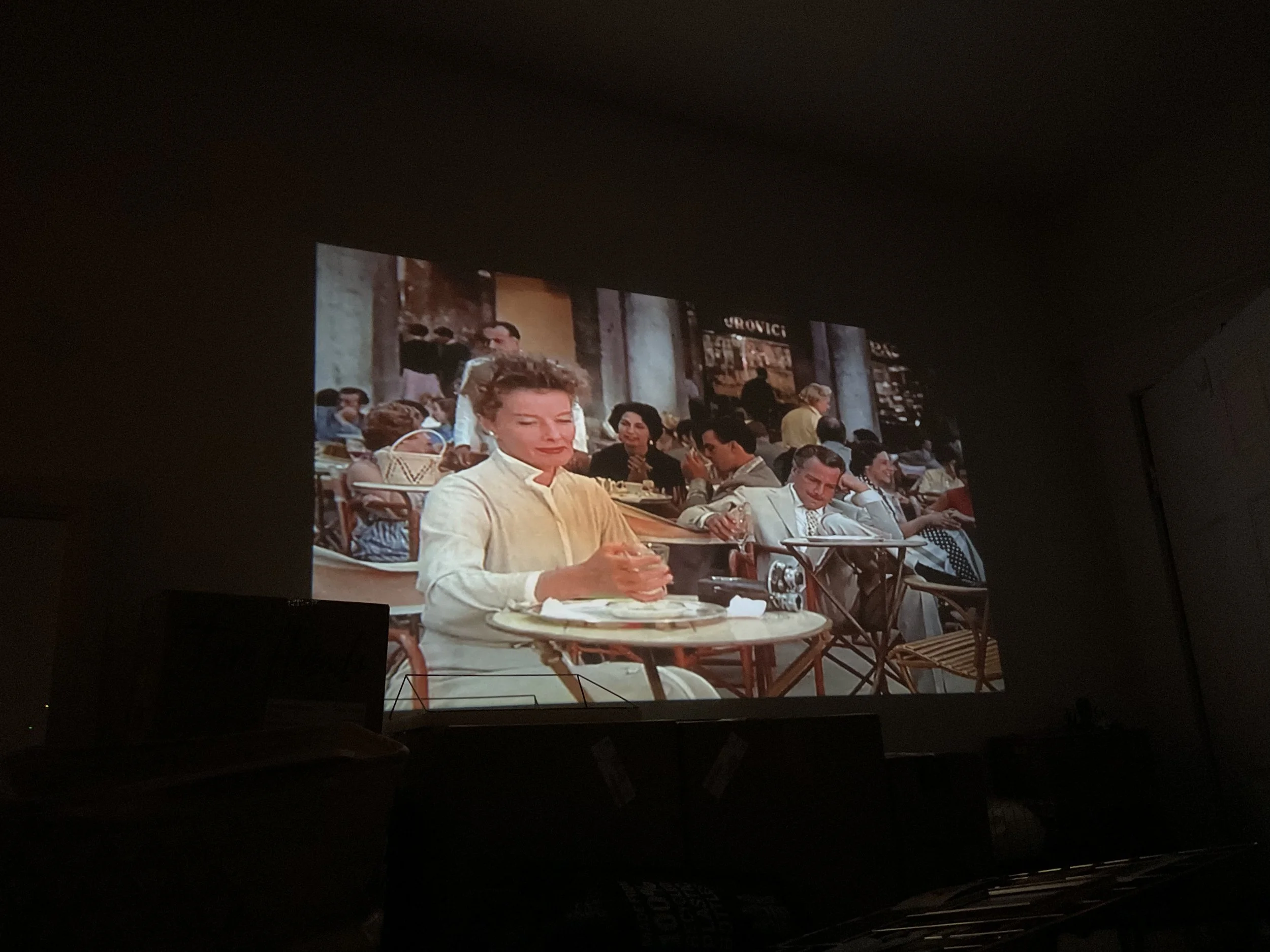
Jane, a tourist in Venice, is about to meet Renato, her summer fling in 3…2…
She dares to look back and, I guess she loves what she’s seeing because it startles her: she loses all her composure and flees the crime scene (the crime being the theft of her heart). The man will later be revealed to be Renato de Rossi (Rossano Brazzi).
Maybe the next day, she walks past an antique store, and a red glass goblet in the window catches her eye.
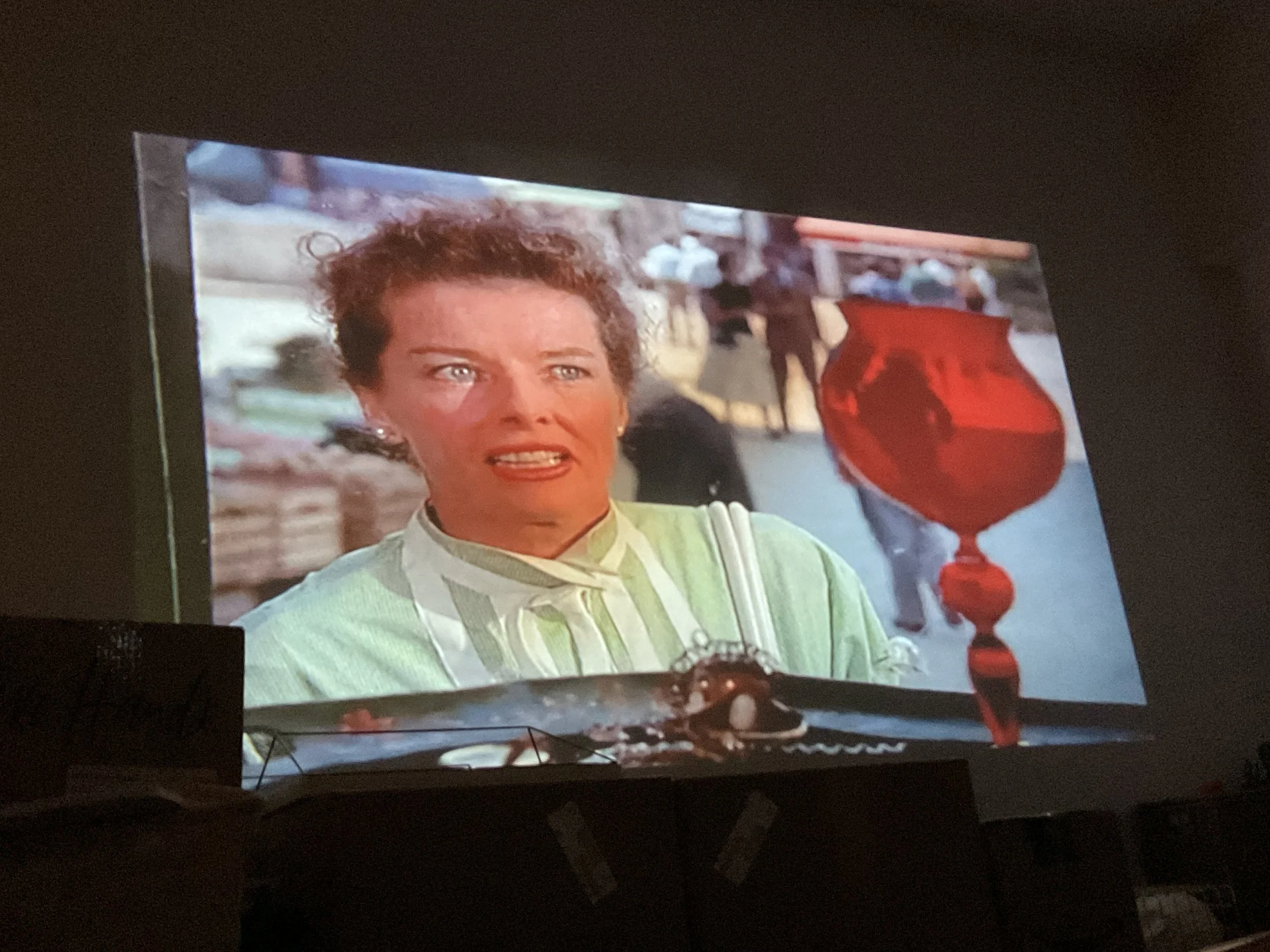
My grandmother would want to buy it too. I certainly would not.
She walks in, and who’s the owner of the store? Renato de Rossi, the Piazza San Marco guy! She looks scared again. In that way, she’s very different from Christina James (Jean Seberg) in IN THE FRENCH STYLE (1963), who is more confident and embraces each new relationship as a new piece of cake, with a “don’t mind if I do” attitude. Jane Hudson, on the other hand, might have sworn off desserts entirely for some unknown reason. She buys the goblet.
The next day, the romantic atmosphere in Venice is becoming more and more unbearable. Love is in the air, and you can see that this very air is beginning to suffocate her. She can’t hang out with anyone because everyone is on a date. She’s like the third wheel of the entire city.
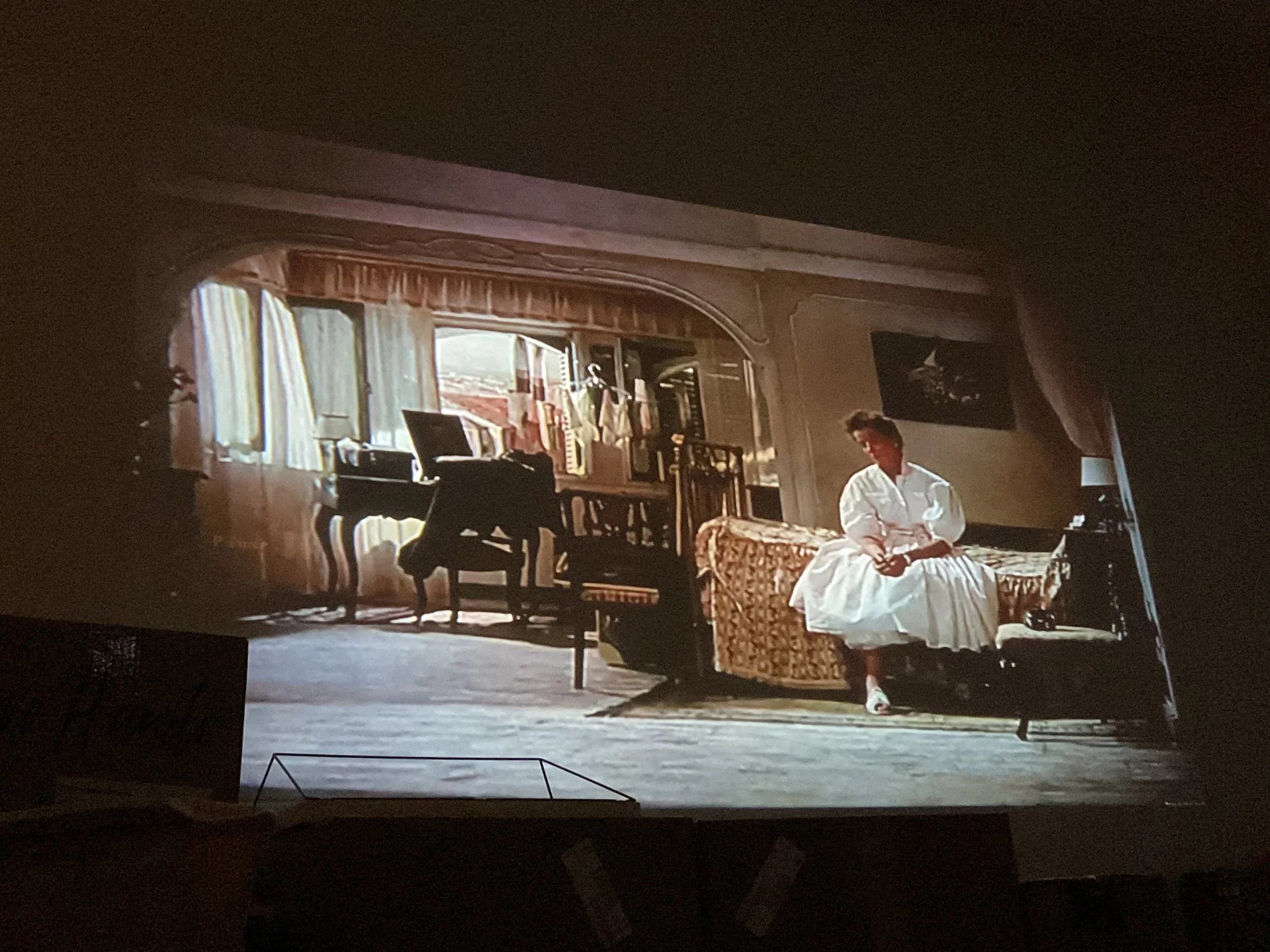
Alone in her bedroom because the entire city is on a date
She decides to take another walk with her 16mm movie camera and sit at Piazza San Marco. But she fixes the chair next to her as a way (I think?) to indicate that she does not expect anyone to sit there. Renato walks up to her, greets her, notices the chair and walks away, disappointed. She, too, looks downhearted.
She leaves the piazza and goes to the neighborhood of his antique shop again. Our girl doesn’t know what she wants. She clearly expects to run into Renato again, but she runs into Mauro instead (the street urchin). He annoys her so much that she tells him to get out of her way and not to say another word. For once, he obeys — exactly when he shouldn’t. Because he should be in her way and he should say something to prevent her from falling into the lagoon. At least he saves the camera!
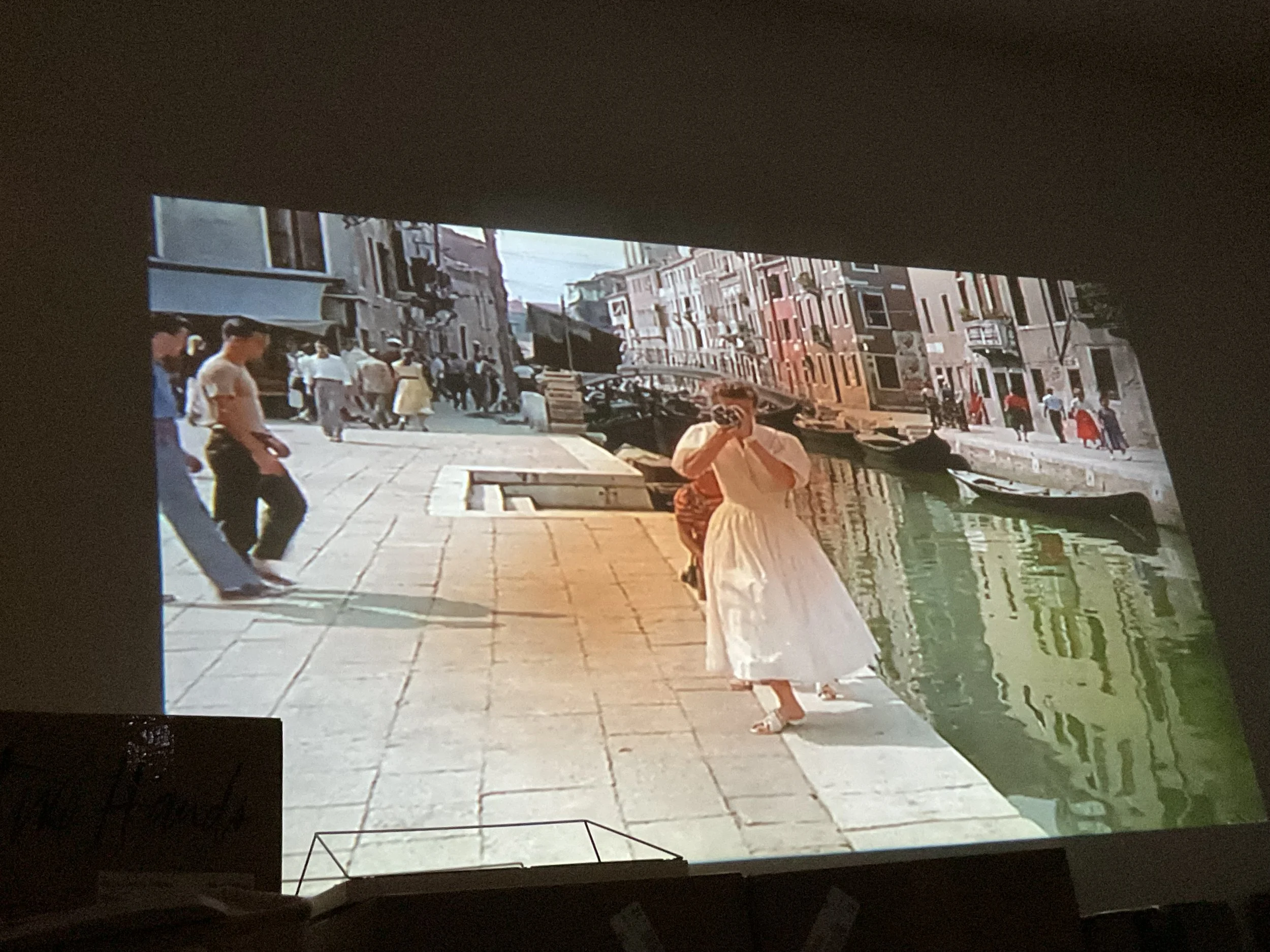
This generation and their cameras…
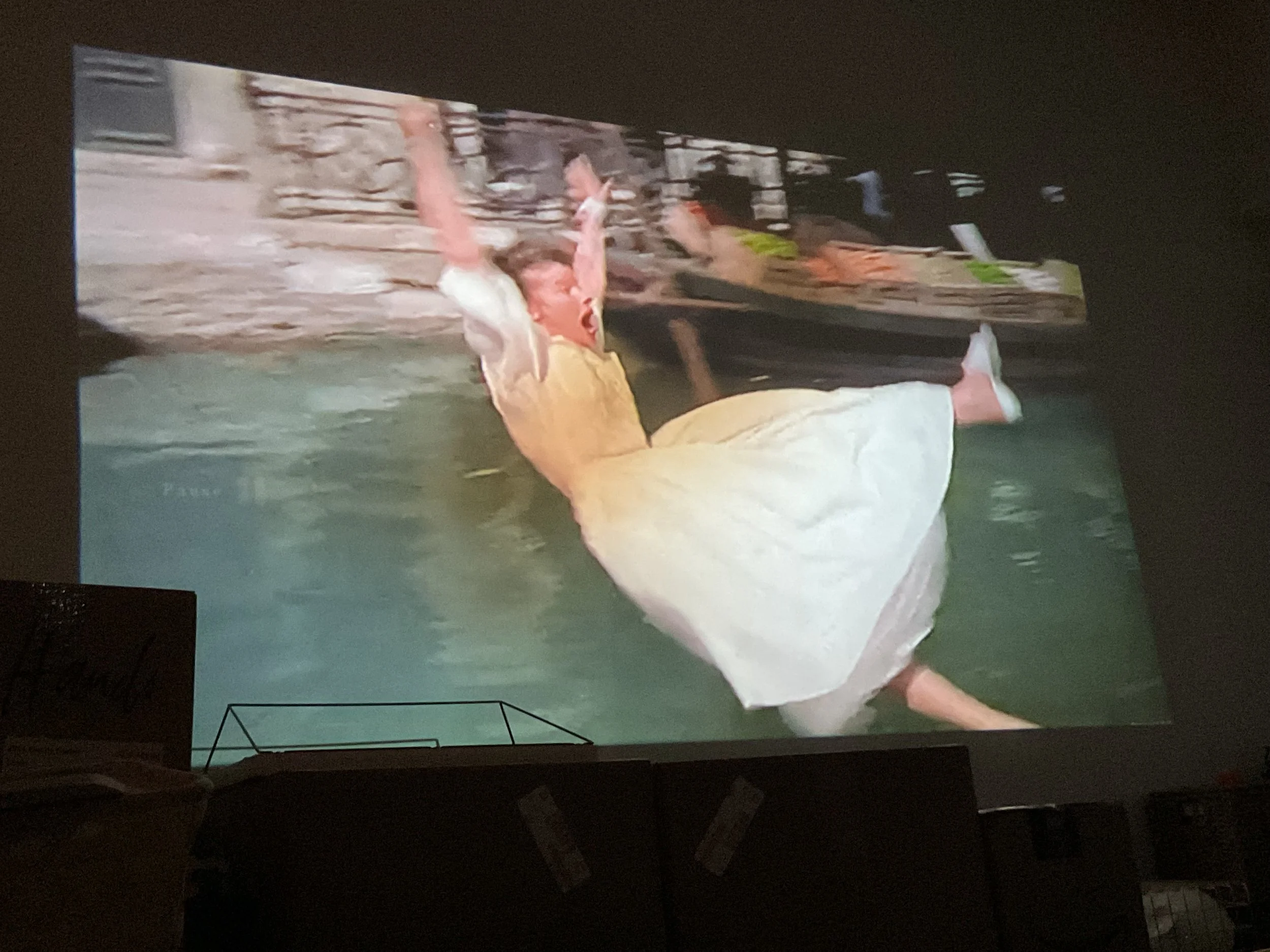
I wonder if she had a stunt double and how many takes it took to film this.
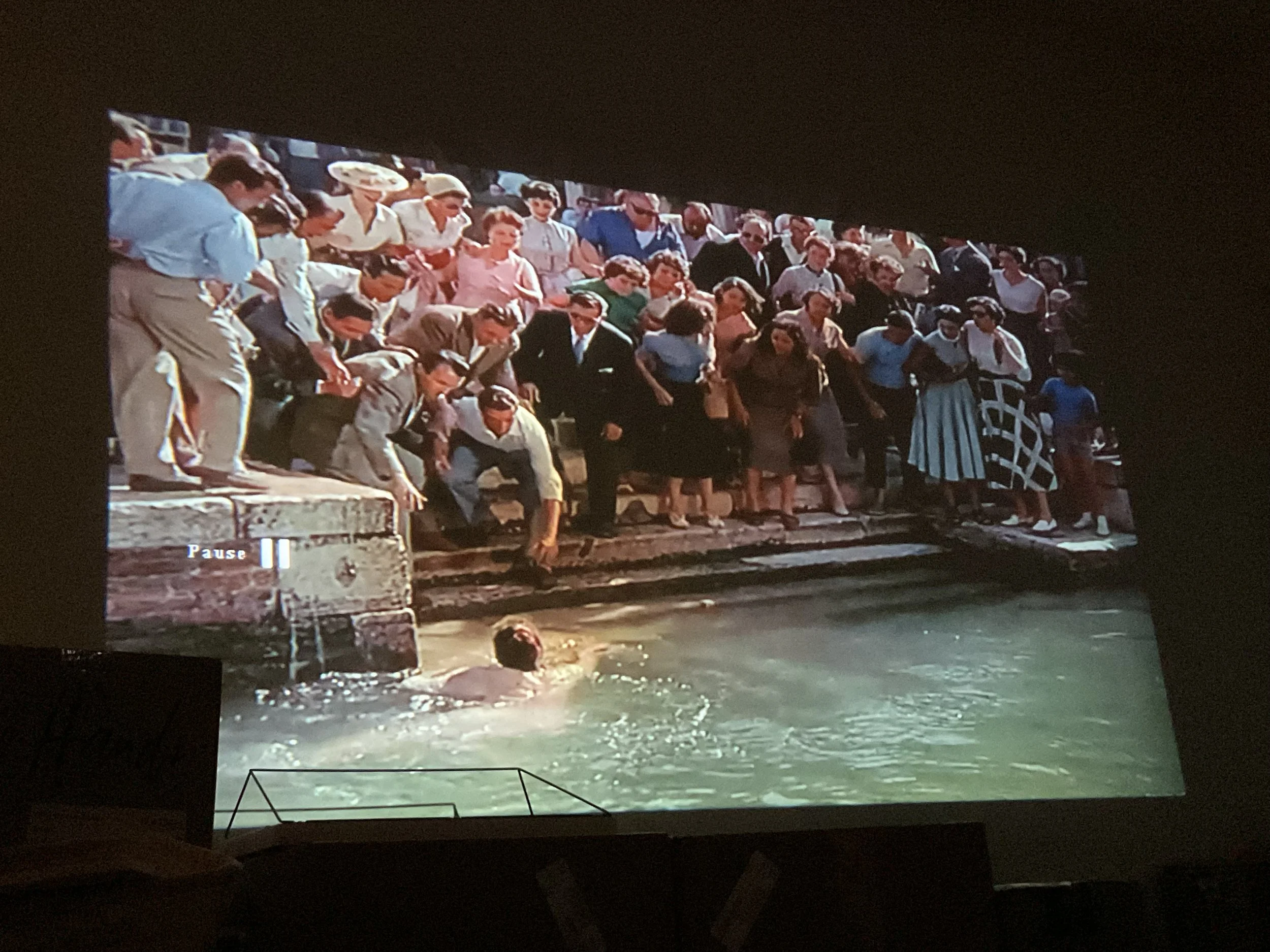
An off-screen dog immediately started barking, Mauro called all the bystanders, and everyone gathered around the shore to help Jane.
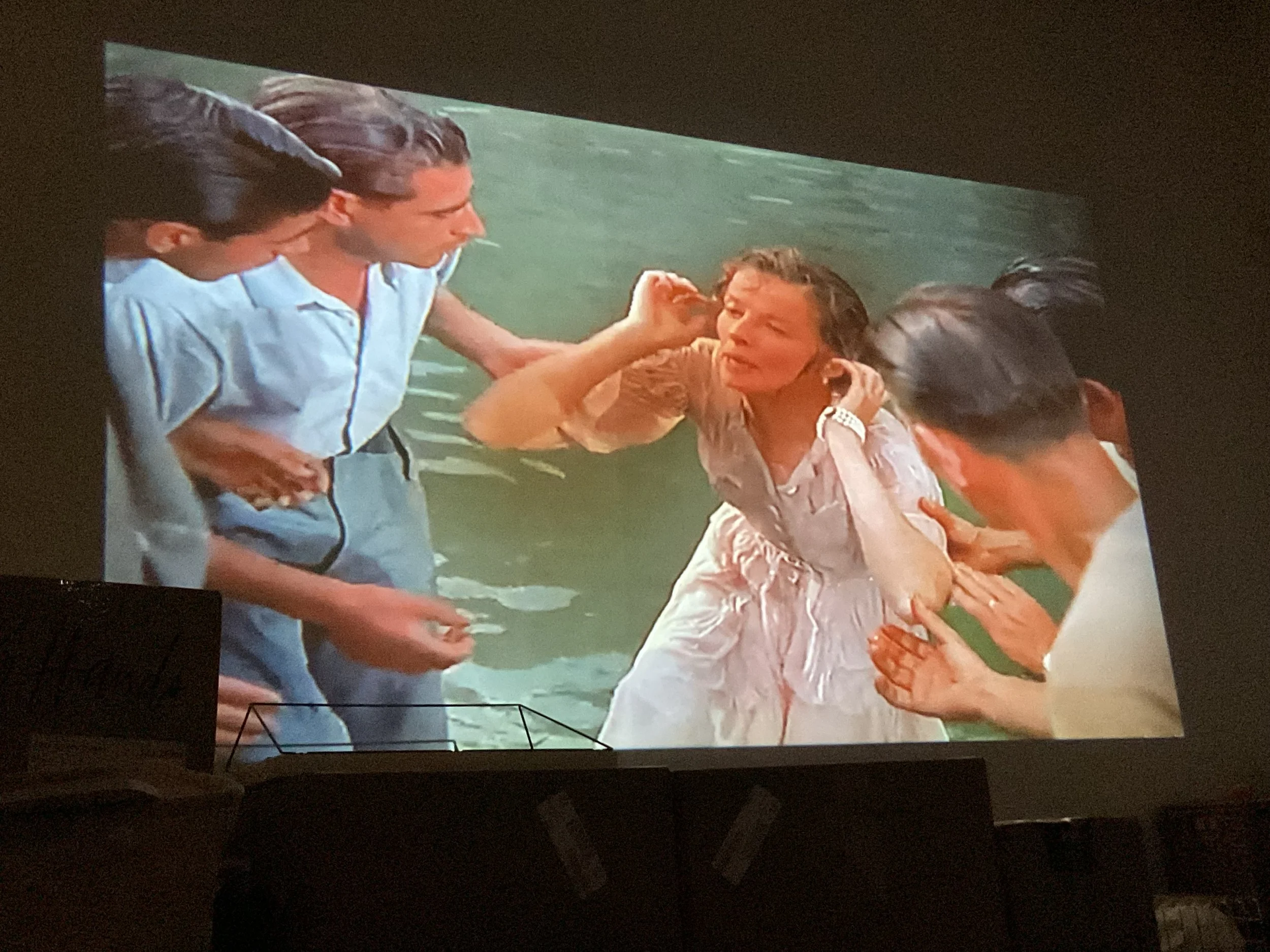
She cracks a joke: “You should've seen me in the Olympics.” She’s surprised that they only speak Italian. Ugh, those Anglophones…
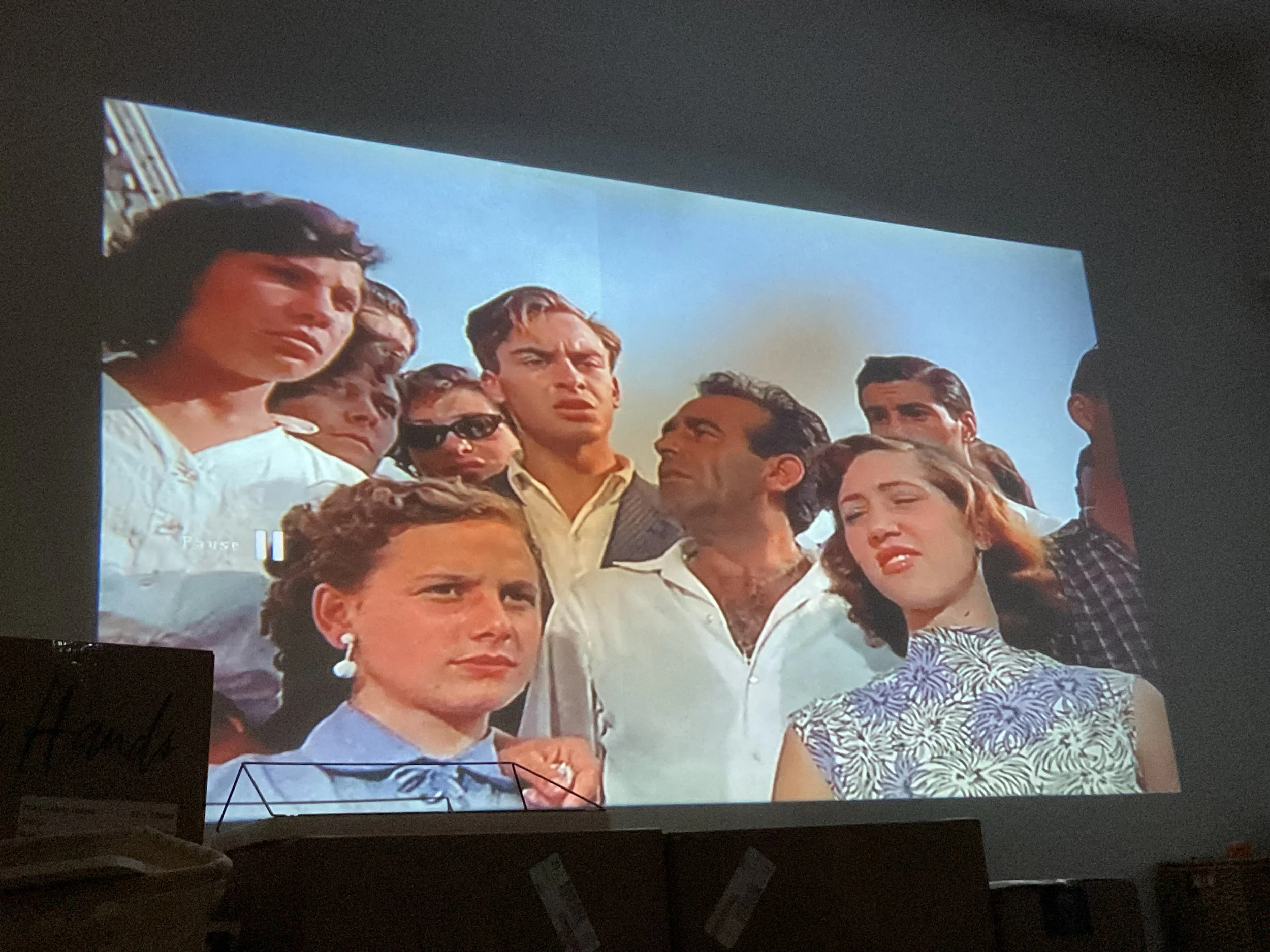
She is surrounded by Italians who don’t understand a word that she says and that’s when she starts panicking.
In her panic attack, she frantically calls for the kid, sounding like one herself. As if she were suddenly in danger, all soaked in her beautiful dress, but safely back on solid ground. Mauro runs to her through the tightly packed crowd, and she begs him to take her home. Oh, now she needs him. Like a chauffeur on foot and an eight-year-old bodyguard.
That night, Renato meets her at Pensioni Fiorini, her bed and breakfast, so to speak. And I keep wondering: “Why is she wearing a kitchen towel?”
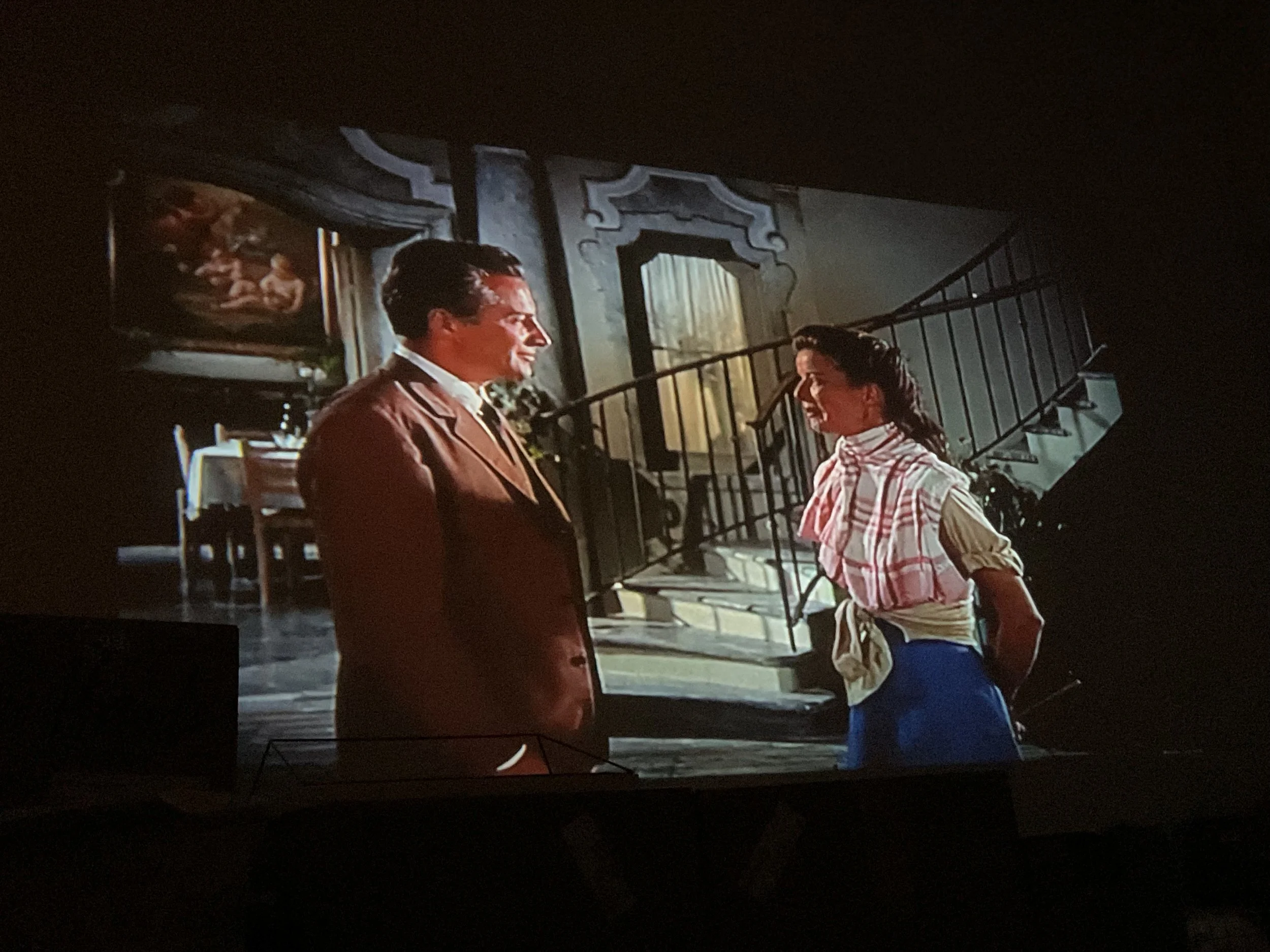
Renato officially asking Jane out.
They go out and have a fantastic time. At the dance restaurant, he buys her a flower from one of those street vendors who come to their table. The seller has a variety of flowers, and Renato claims that he knows which one Jane will pick. She surprises him by choosing the white gardenia: when she was in high school, she desperately wanted to wear a gardenia to her first ball, but they cost two dollars, and the boy she was going with was still in college. Renato pays for the gardenia, but later that night, it falls into the lagoon!
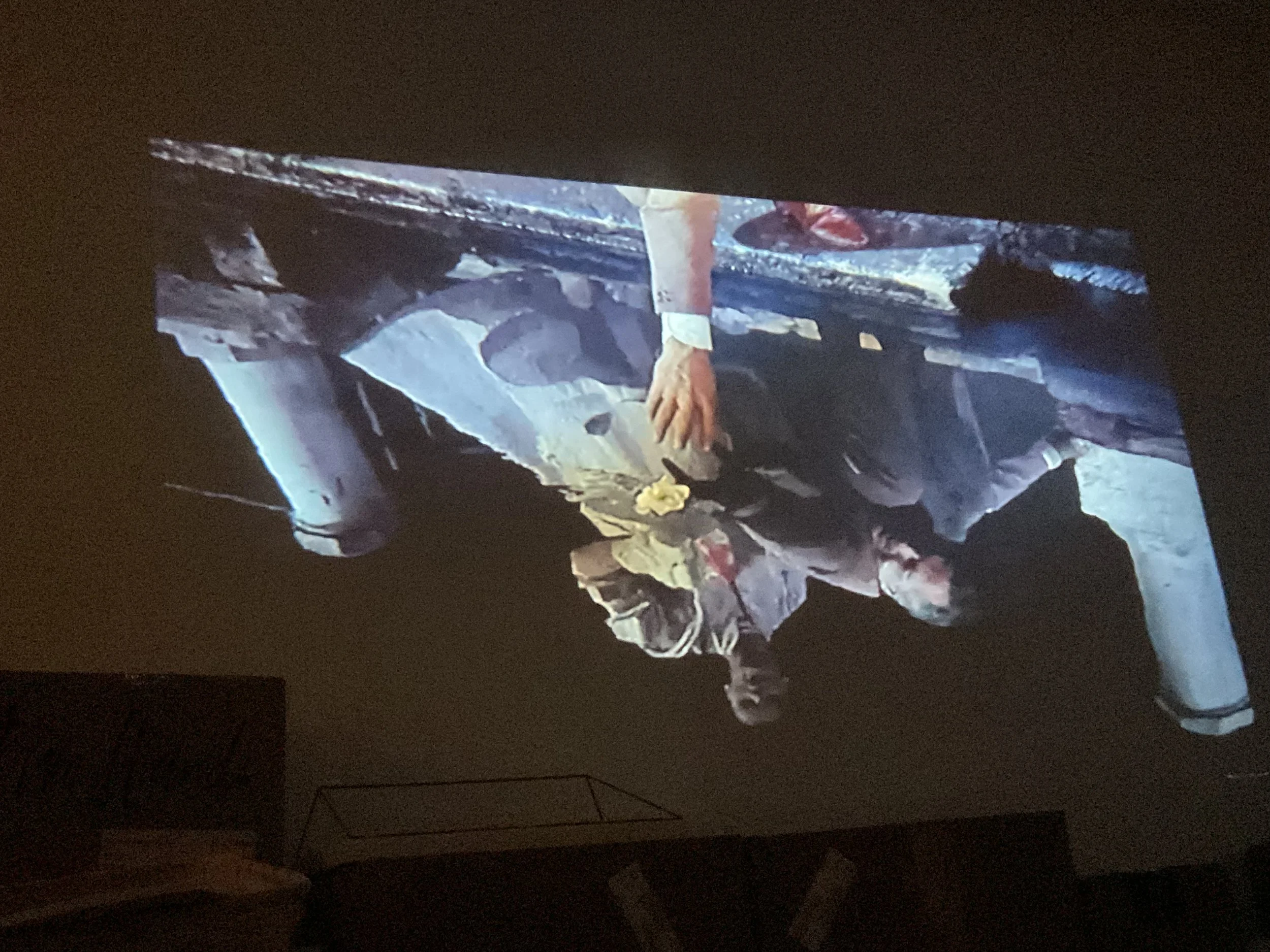
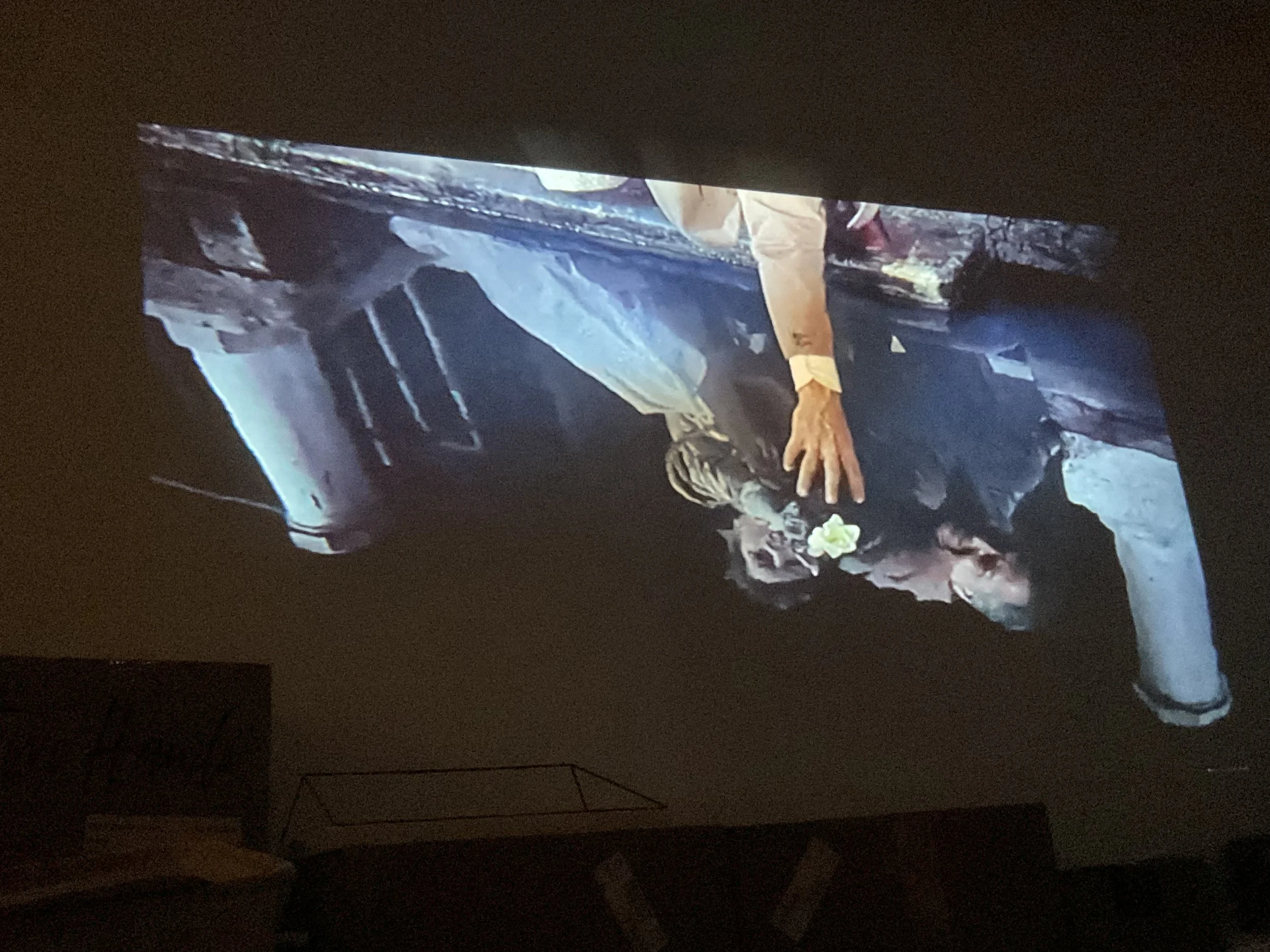
Renato tries to retrieve it without falling into the water. And this seems to be a recurring theme in the movie: no matter how far you stretch your hand, you still can’t seem to reach what you want. When you think it’s not too late, when you’re so close to having it in your grip, it just goes away.
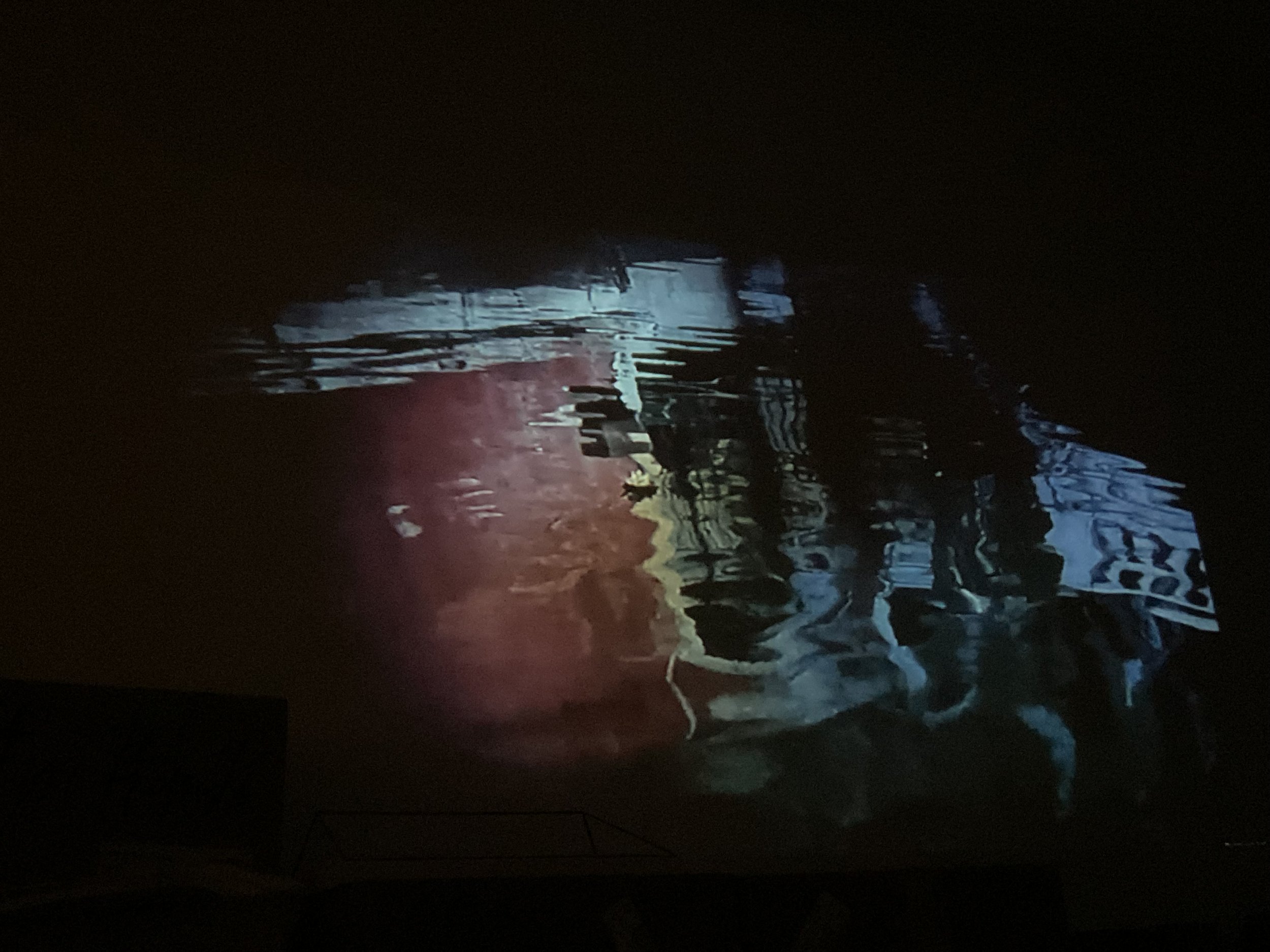
Goodbye, my flower. Goodbye, my friend. You have been the one…
Unlike me, Jane doesn’t make a big deal out of it. What she does make a big deal out of is finding out that Renato is married with children. She feels betrayed. He tells her he has an arrangement with his wife, but she doesn’t care. Here comes my favorite interaction:
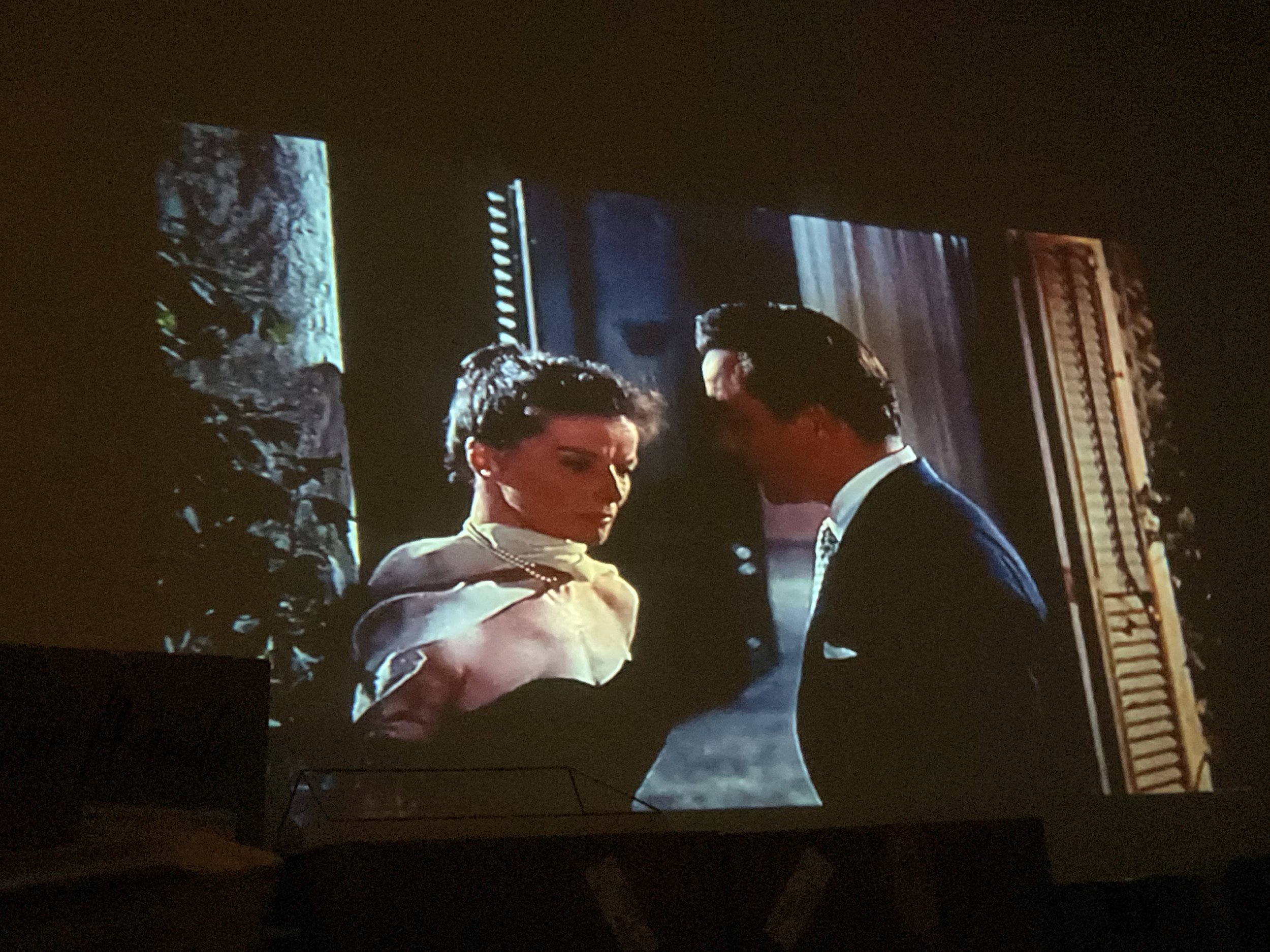
RENATO: You come here and what you do? You ride in gondola. “Oh Venice, so beautiful, so romantic. Oh, these ltalians, so lyrical, so romantic”. You dream of meeting someone you want. Young, rich, witty. And unmarried, of course. But me, I'm a shopkeeper. Not young. Not rich. Not witty. And married, of course. I'm a man and you're a woman.
JANE: Don't you see? It's wrong.
RENATO: That's the way it is. You're like a hungry child who was given ravioli to eat. No, you say, I want beefsteak. My dear girl, you're hungry. Eat that ravioli.
JANE: I'm not that hungry.
RENATO: We're all the time, Miss Hudson.
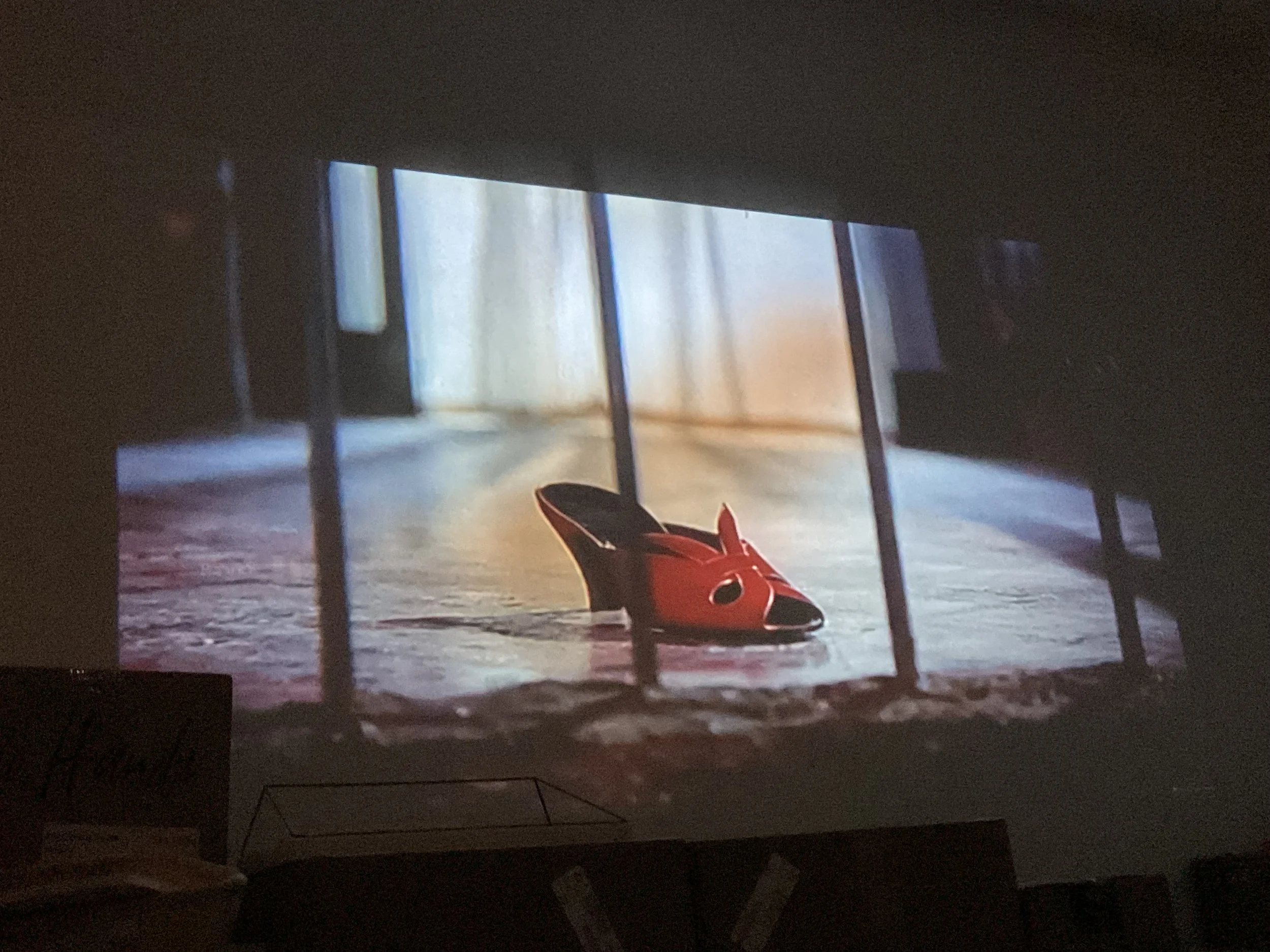
Jane leaves this shoe behind trying to escape her Prince Charming.
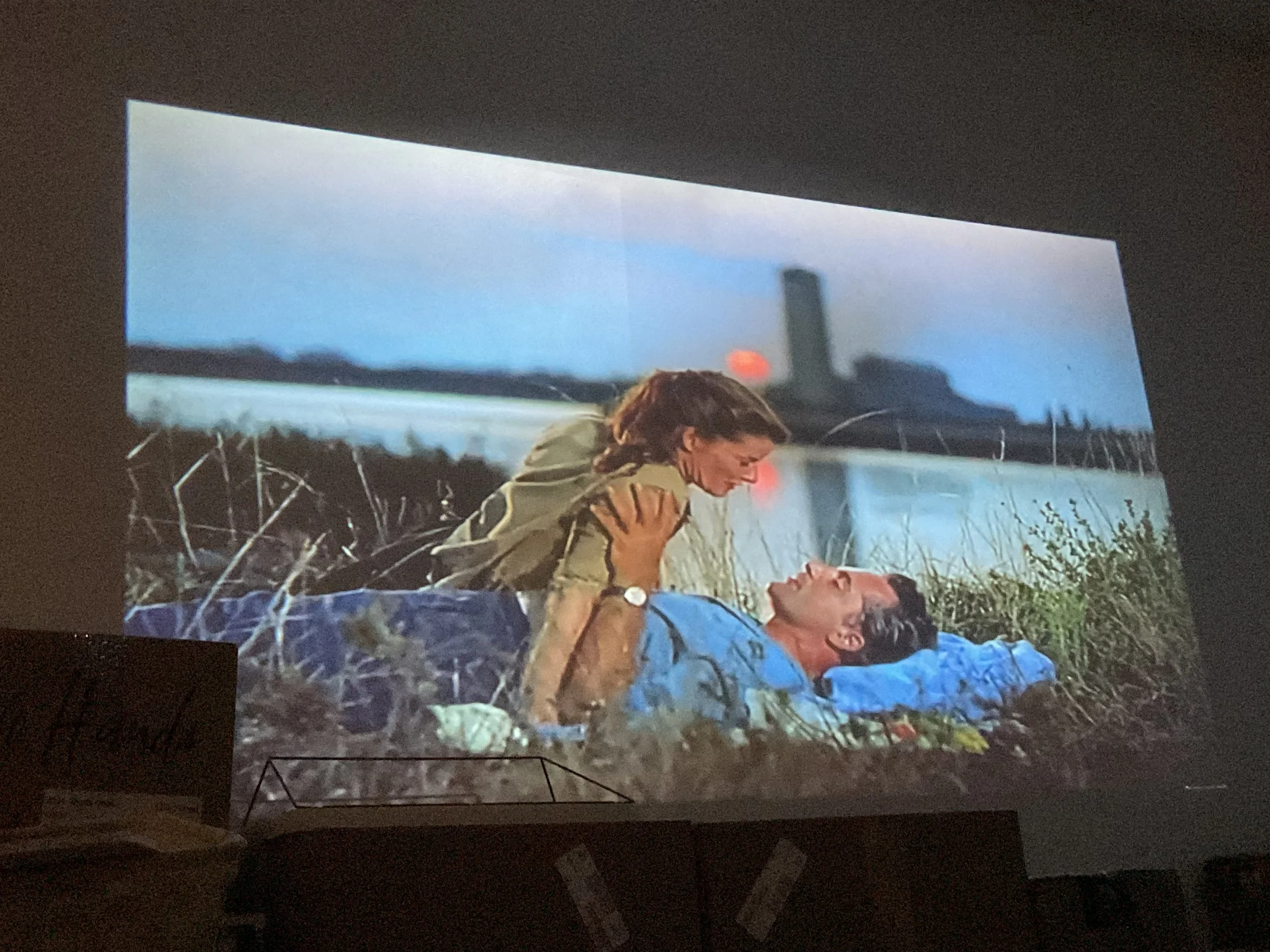
She ends up eating the ravioli, and together they have a wonderful time. They leave Venice for a bit, ride a bowrider or something, have a picnic by the water, and embrace their straight privilege in the sunset. They are very happy; they make each other happy. He doesn’t know yet that she will be gone the next day and that he won’t be able to convince her to stay.
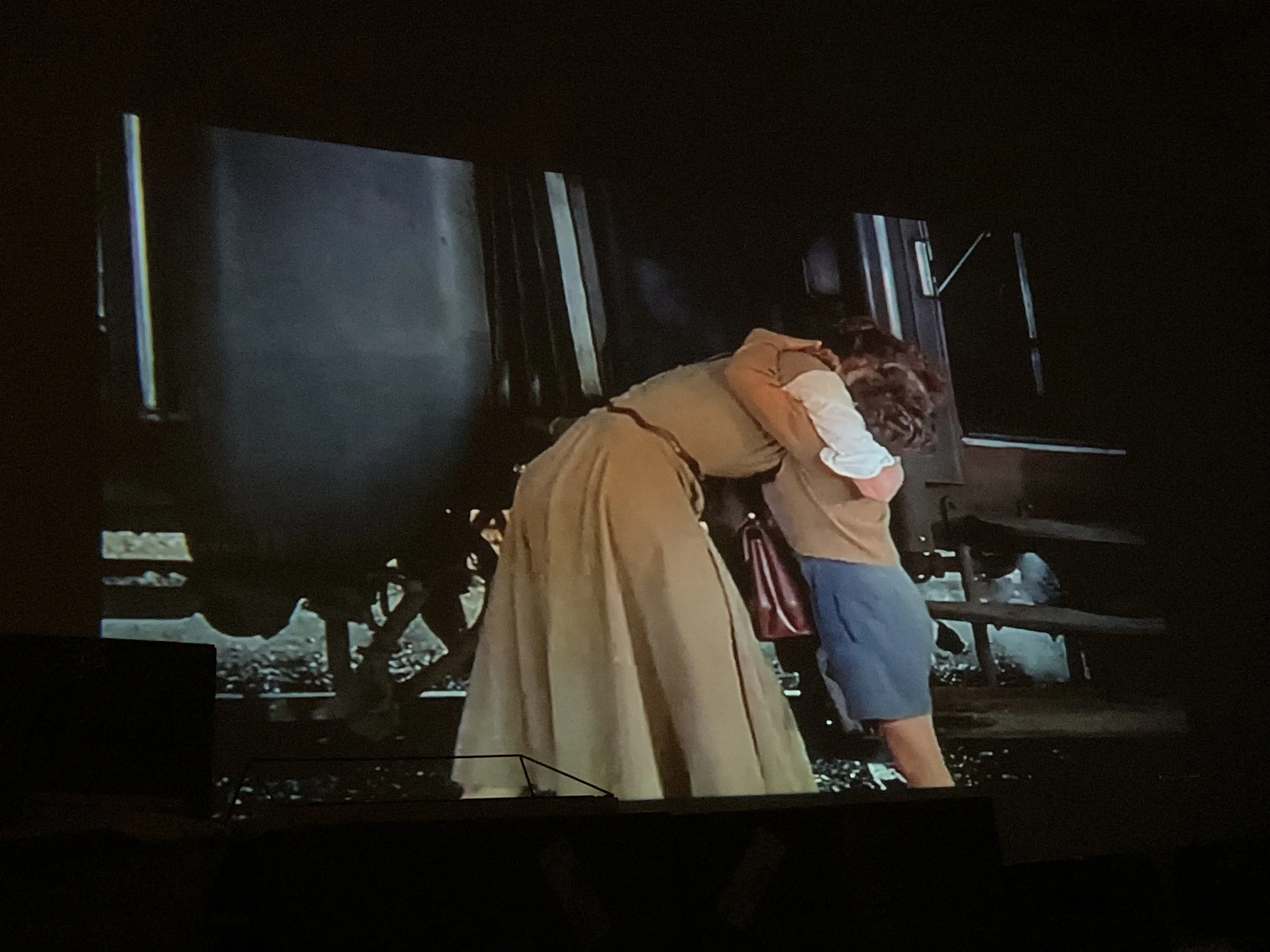
She goes to the train station on her own, hoping he will at least send her off with one last goodbye kiss. Mauro shows up instead. He gives her a present.
JANE: Mauro! What are you doing here?
MAURO: I come to say goodbye.
JANE: I'm sorry, Mauro, I'm very, very sorry.
MAURO: Ok, ok. You going to Rome?
JANE: I'm going home.
MAURO: To America?
JANE: Yes.
MAURO: You come back again?
JANE: Yeah, yeah, sure.
MAURO: You come back with a big American man? I'll be your guide.
JANE: Ok.
MAURO (hands her a pen): Want this?
JANE: No, thank you.
MAURO: It's not for sale. It's a present.
JANE: Why?
MAURO: Because I like you.
JANE: …
MAURO: You okey-doke, lady?
JANE: Sure, I'm okey-doke.
MAURO: Be seeing you.
JANE: Be seeing you. Thank you.
Jane boards the train that says “Paris”, I guess her flight to the US leaves from France. As the train leaves the platform, she sees Renato running like a maniac, trying to catch her to give her a present.
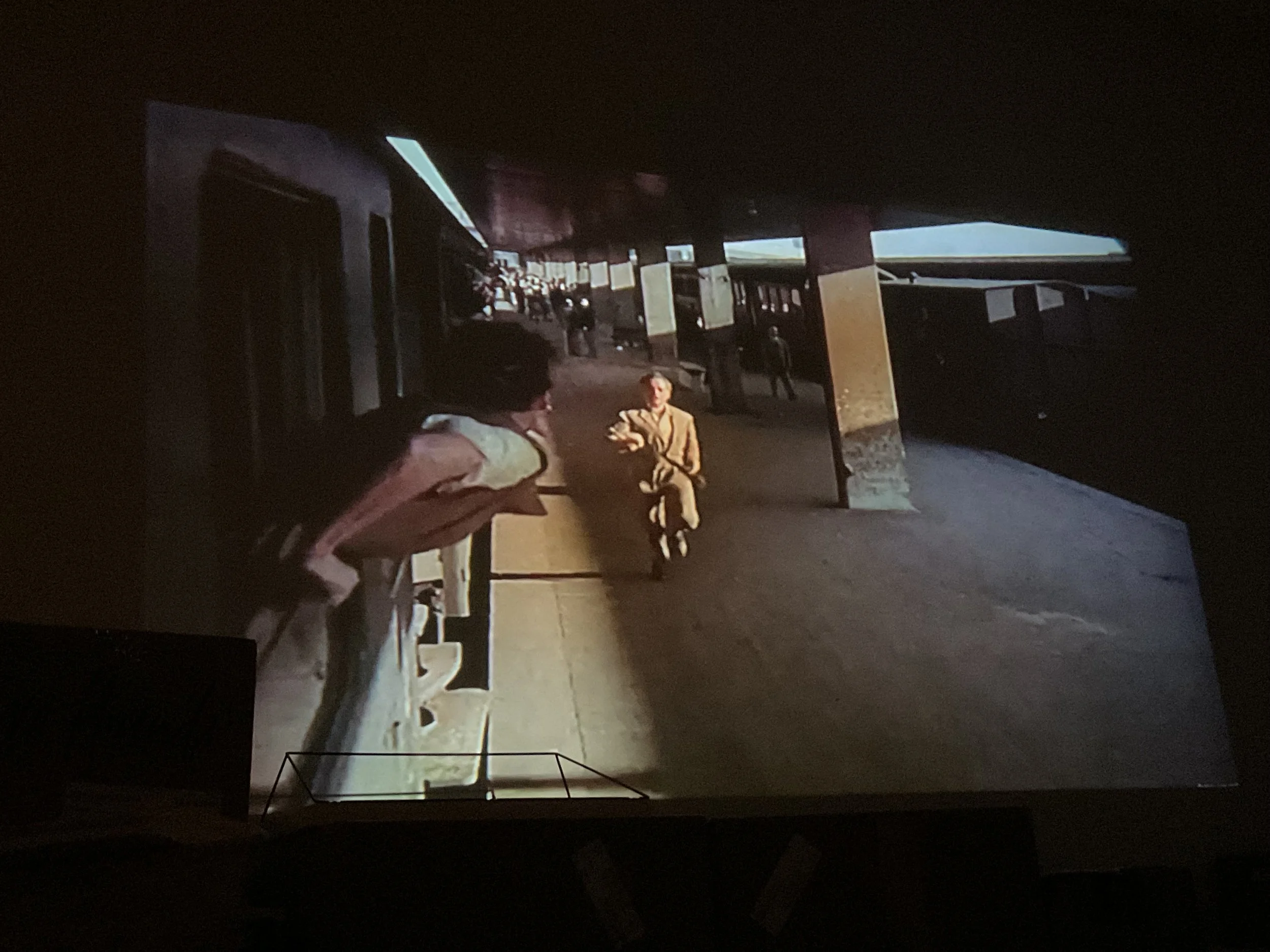
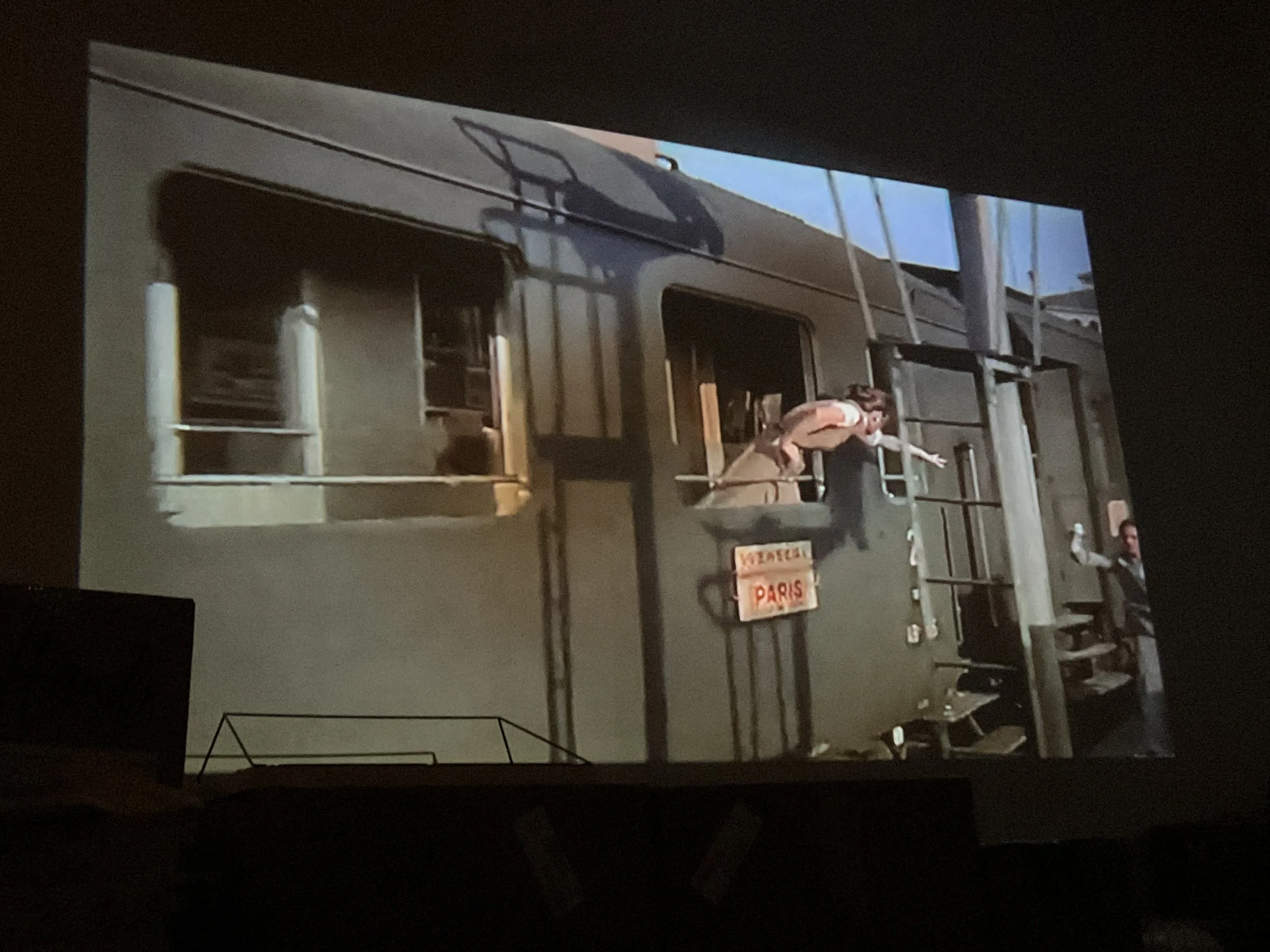
So close
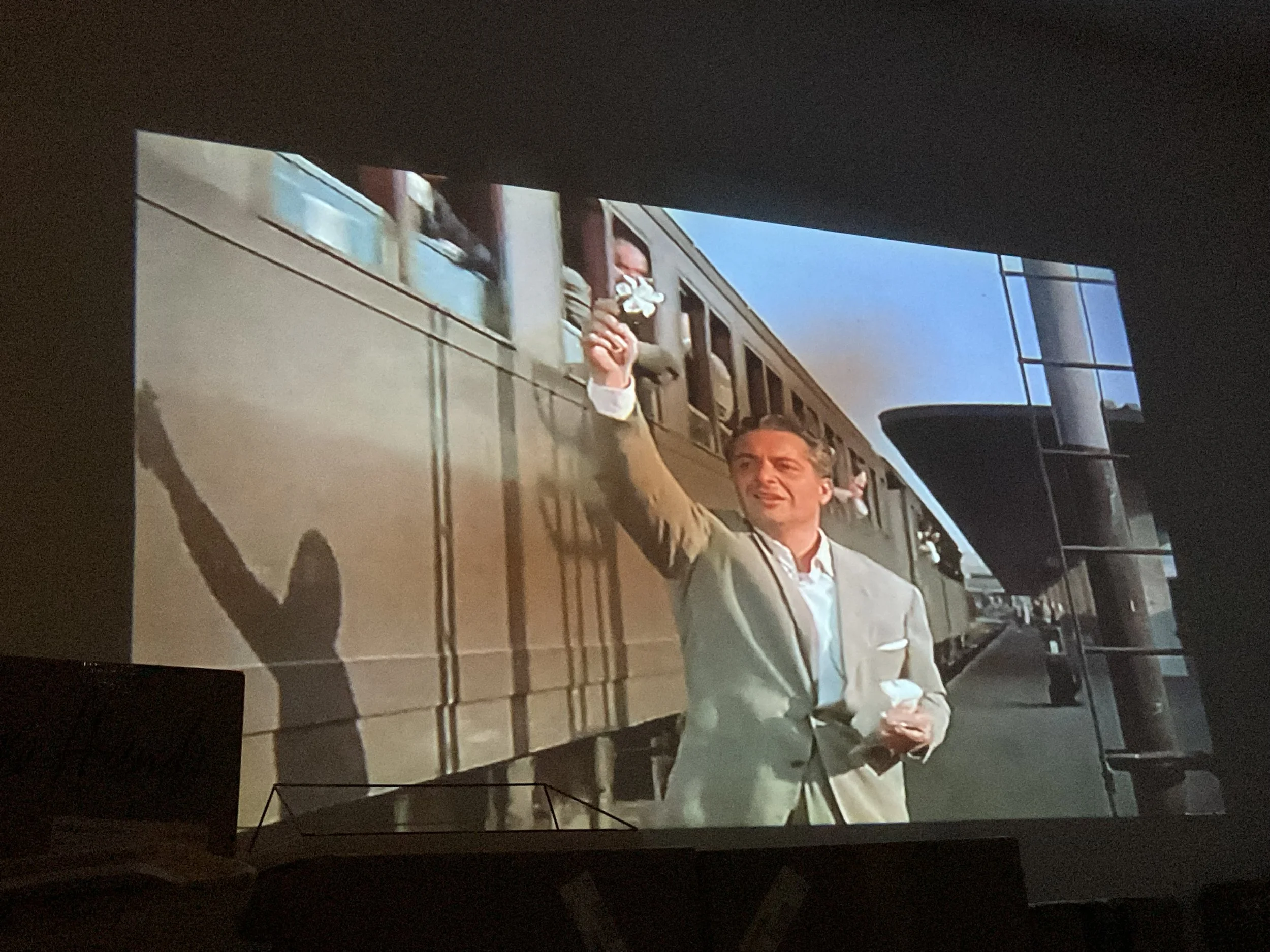
It’s the white gardenia!
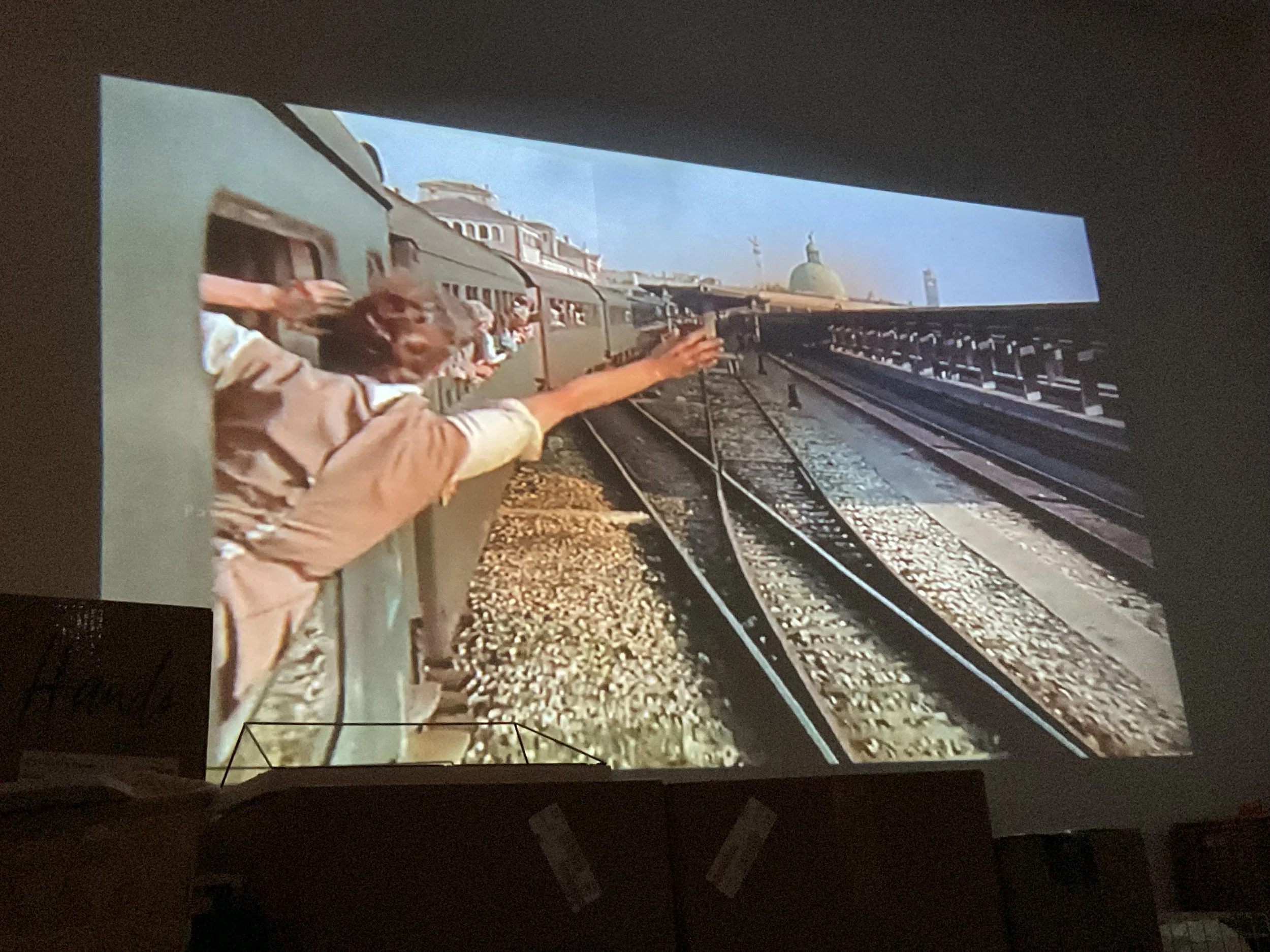
Once again, it’s too late.
The end.
Up next on my watchlist: a biopic that starts with T, a comedy that starts with U and a drama that starts with V! (It’s almost the end of the challenge, y’all!)